
Protecting the habitats for Mozambique’s sea turtles
Our turtle program
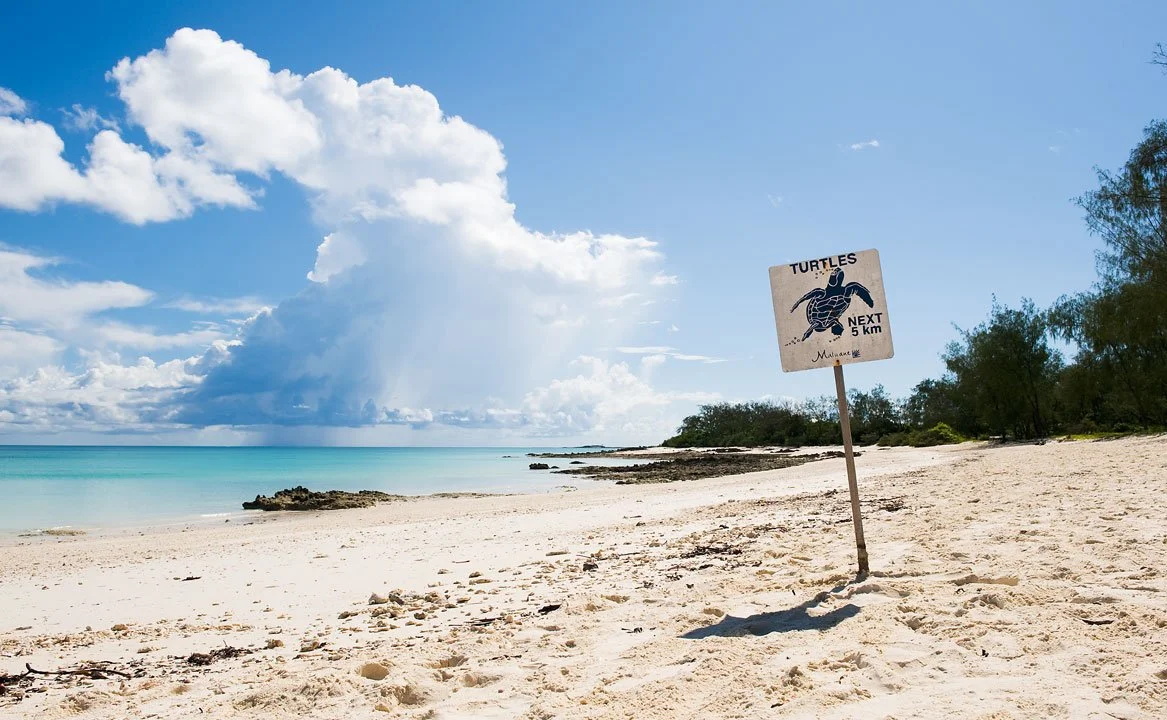
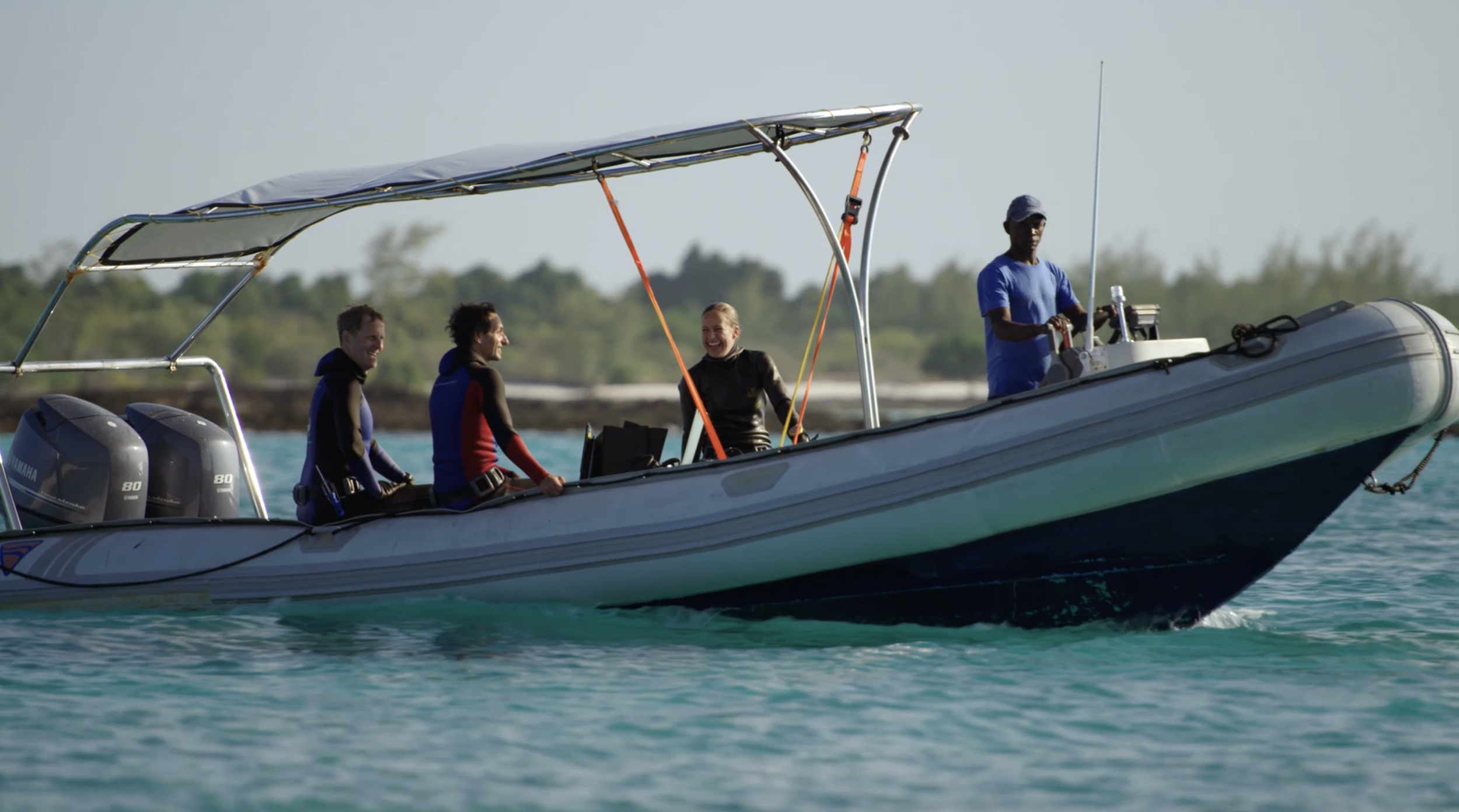
Since 2002, a community-based turtle monitoring program has been active on Vamizi and Rongui islands. Working hand-in-hand with the local community, we’ve protected more than 4,500 nests of green turtles and 71 hawksbill turtles, resulting in the protection of 66,500 hatchlings, reducing the poaching of eggs and nesting females to zero on these islands.
This work includes:
Year-round daily patrols
Protection and marking of all nests
Tagging turtles with internal, external, and satellite trackers
Community education and awareness programs
Preserving nesting beaches and nearby feeding grounds
With over 80% hatching and emergence success, these islands are now recognized as critical nesting sites for sea turtles in the Western Indian Ocean.
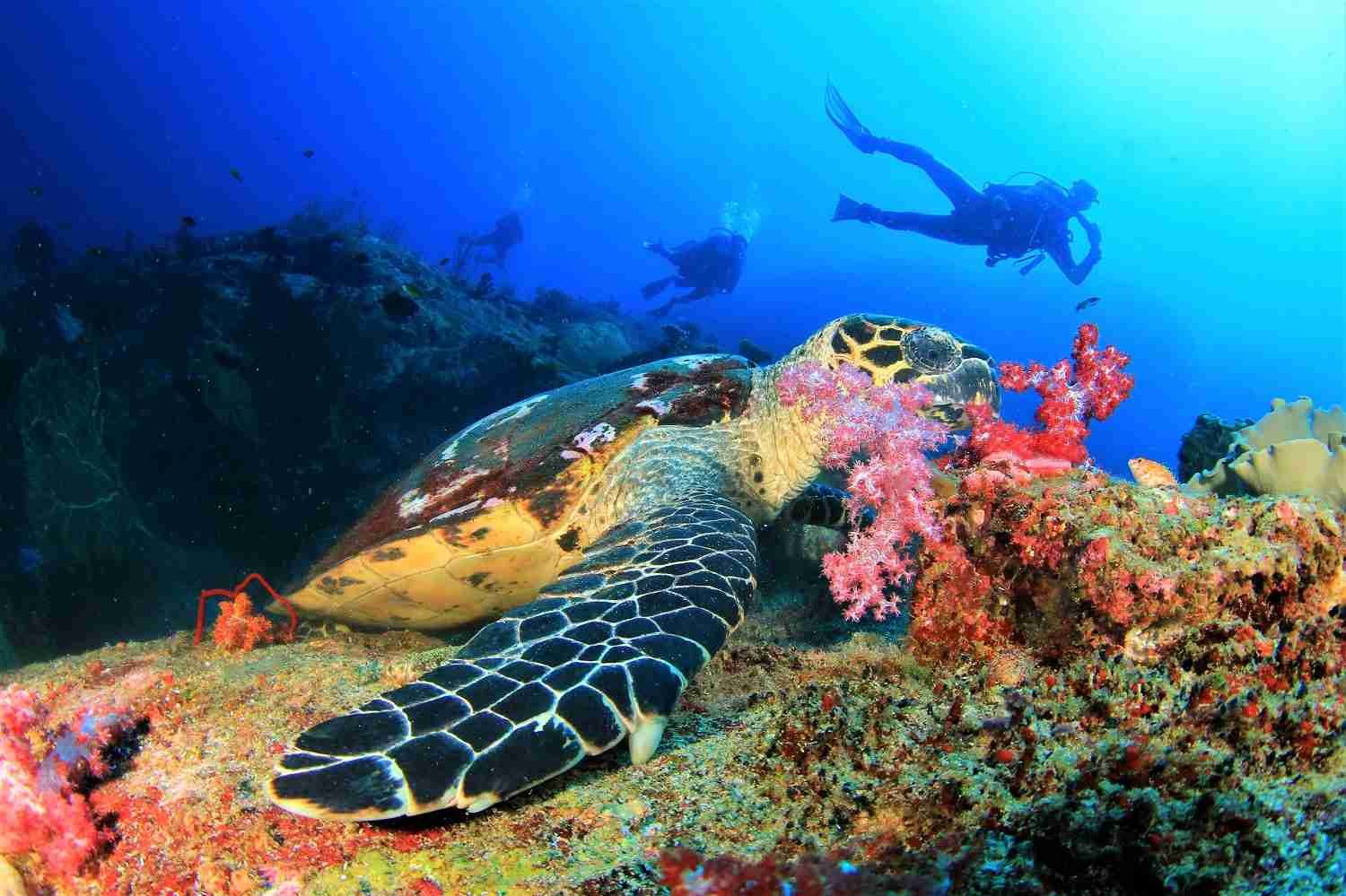
They’ve crossed oceans for centuries and with the right protection, they’ll continue their journey long into the future.
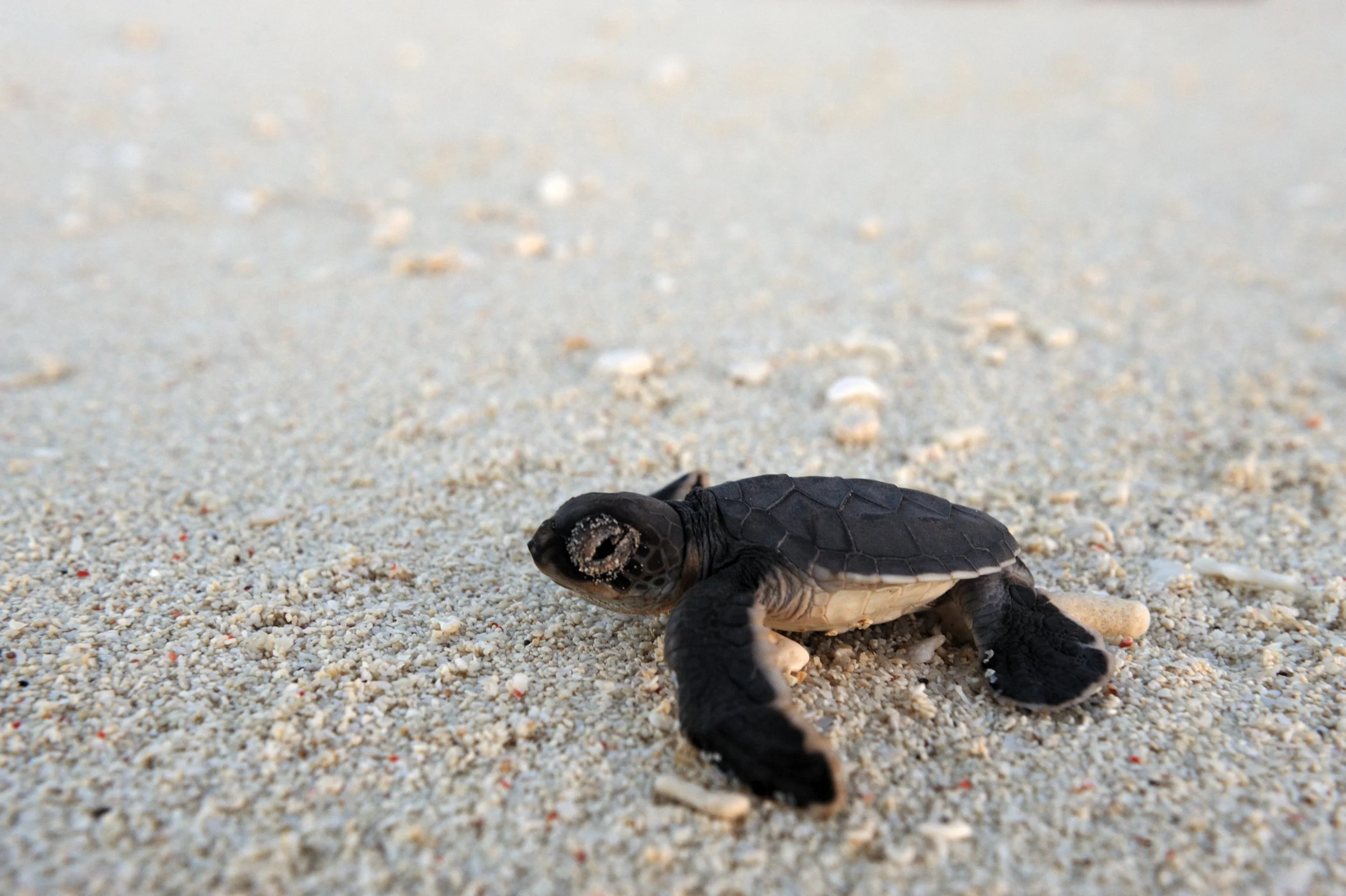
Years of dedicated turtle conservation are paying off:
Our long-term monitoring in place, Vamizi Island — part of the Quirimbas — has become the country’s most important nesting site for green turtles.
4,772
protected nests
80%
hatching success
years of nesting data
23
What the future holds
Our goal is to expand the turtle protection program to additional islands across the Quirimbas Archipelago. With more training, equipment, and support, local teams can monitor more beaches, tag more turtles, and protect more nests.
We're also contributing data to regional conservation strategies, helping connect protected areas across East Africa — from Mozambique to Kenya, where one of our satellite-tagged turtles is now feeding in Malindi.
With continued support, we can ensure these ancient ocean travellers are safe for generations to come.
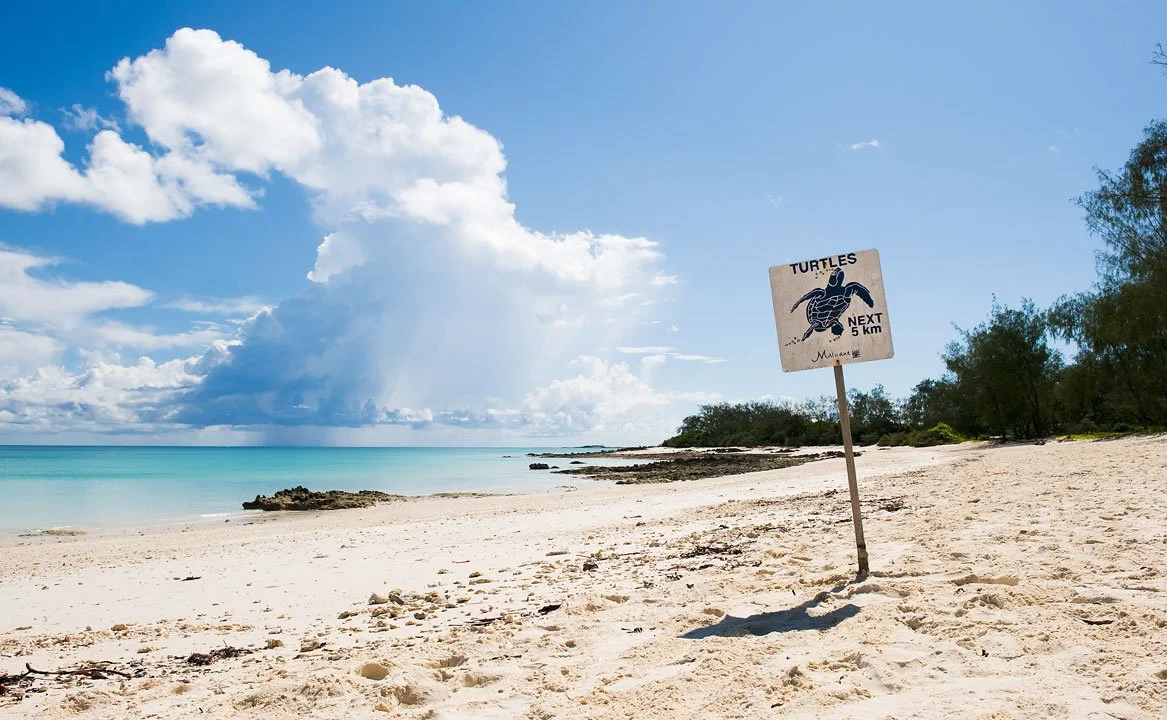
Support a Turtle
Sea turtles have lived in our oceans for over 100 million years, but today they face threats from fishing nets, pollution, and habitat loss. With your help, we can protect their nests and ensure these ancient creatures survive for future generations.