
The leading marine research base in the region
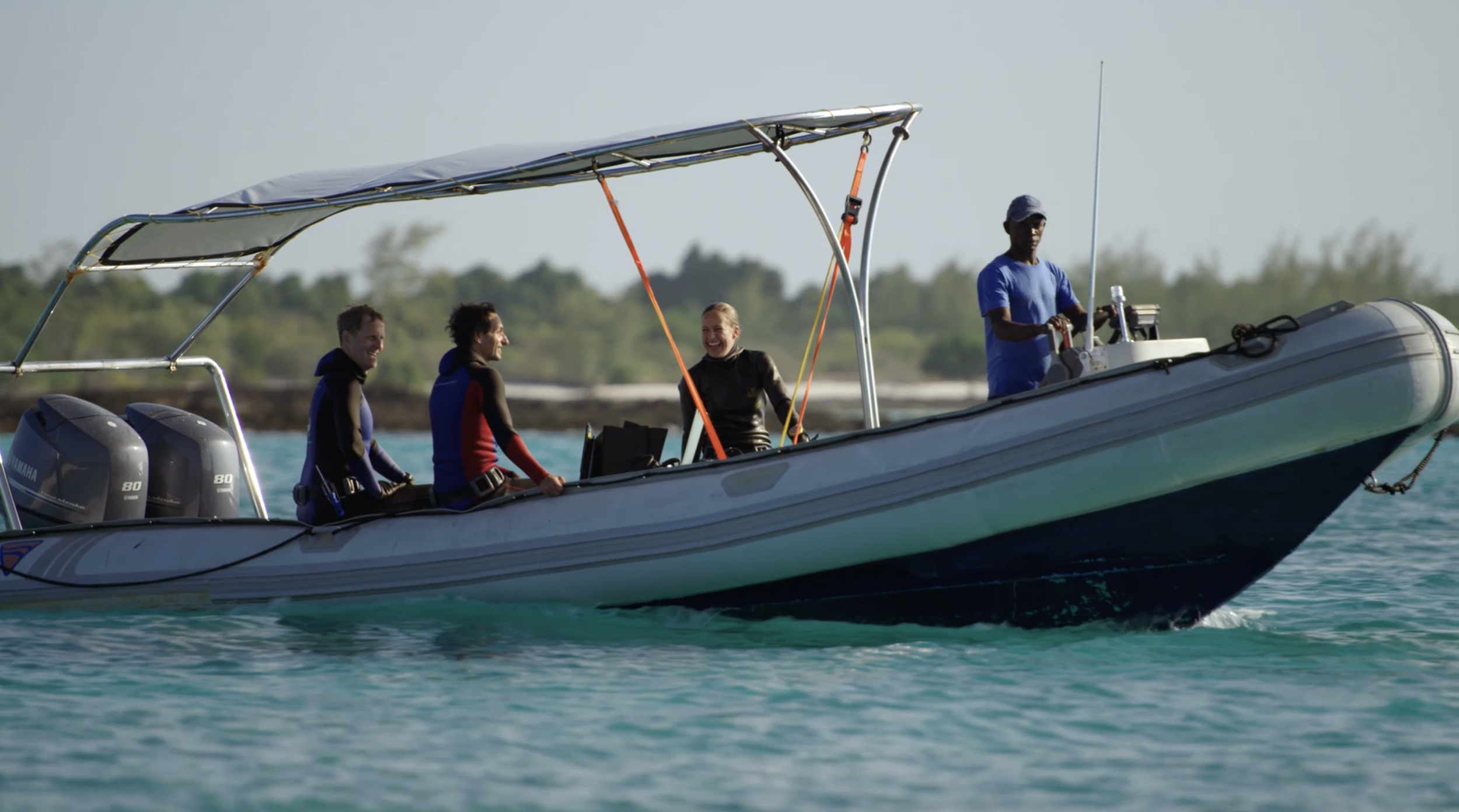
We have collaborated with international partners such as ZSL (Zoological Society of London), WWF, IUCN and Oceans Without Borders to monitor and research this extraordinary ecosystem. Since 2009, we have a research partnership with Lurio University in Mozambique to increase local research capacity through Bachelor's, Master's and PhD programmes and field based research capacity. Over 170 research papers have been published in connection to this area, making it one of the most important marine research area in the region.
We need to continue funding research to support the protection of this area based on scientific research. Both international and local scientists will be supported to provide ongoing analysis and research publications.
Coral Reefs
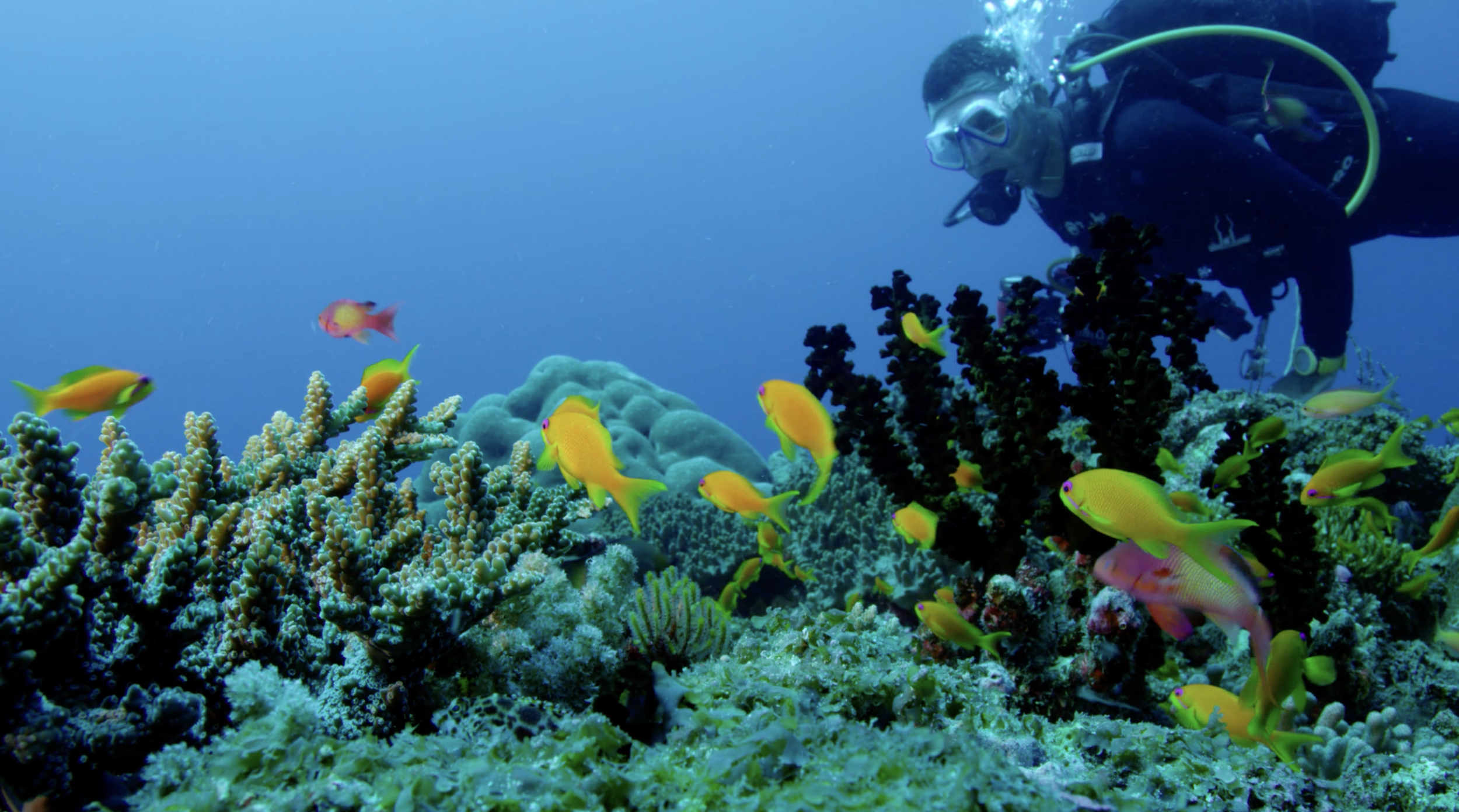
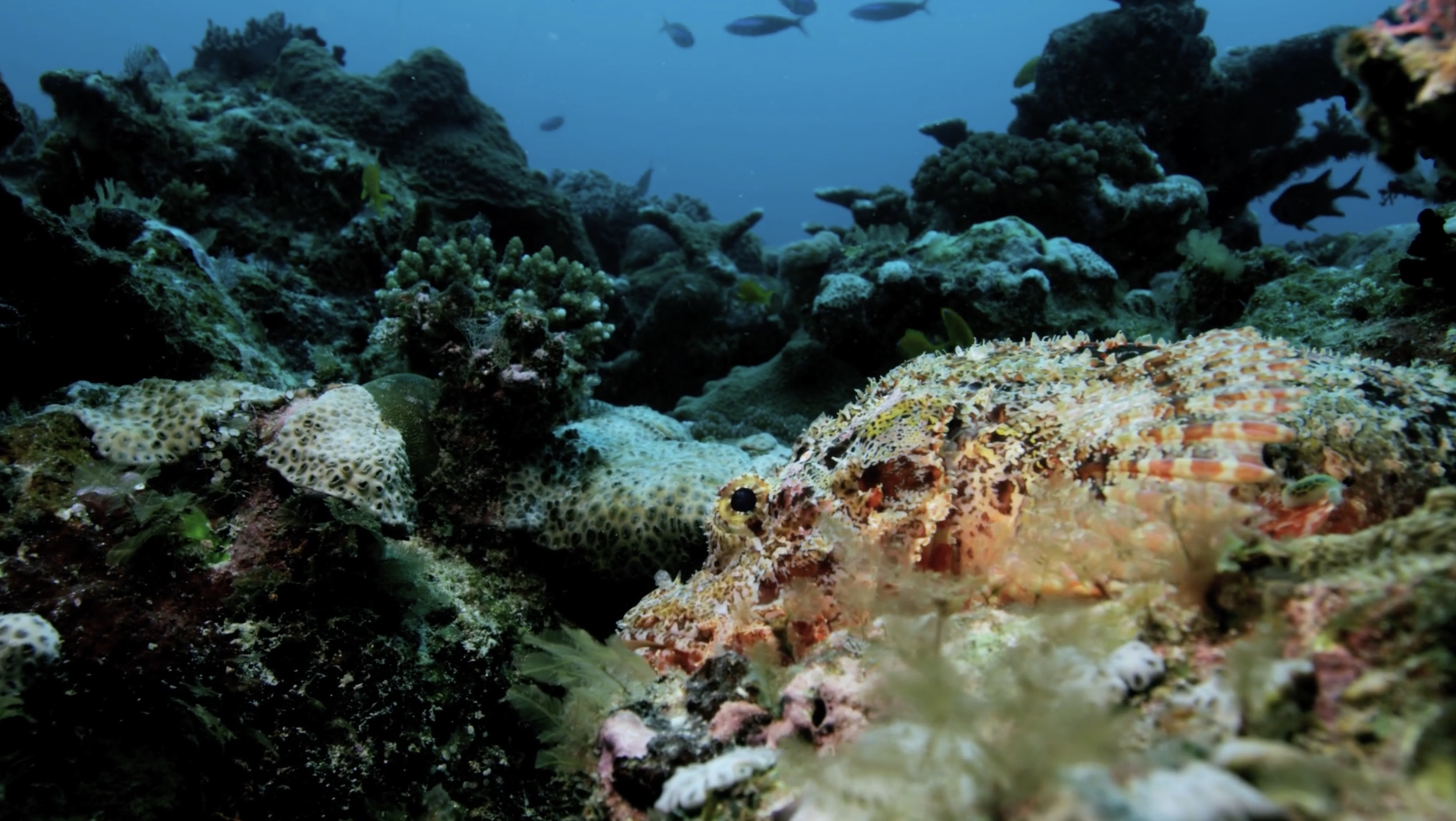
The coral reefs of northern Quirimbas are among the most biologically rich, diverse and resilient in East Africa. These reefs host over 400 species of fish.
They have shown remarkable resistance to bleaching, even during extreme El Niño events, making them a potential climate refuge for coral species.
Our research monitors coral health, diversity, spawning events, and deeper reef systems. This work is essential for understanding how coral ecosystems adapt to warming oceans and how we can protect them for future generations.
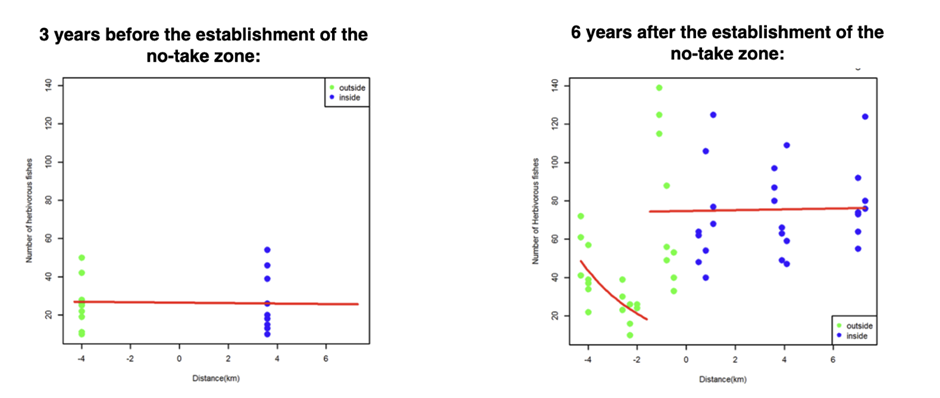
Significant increase of herbivorous fish following establishment of no-take “Sanctuary” on Vamizi Island
(https://journals.plos.org/plosone/article?id=10.1371/journal.pone.0111774)
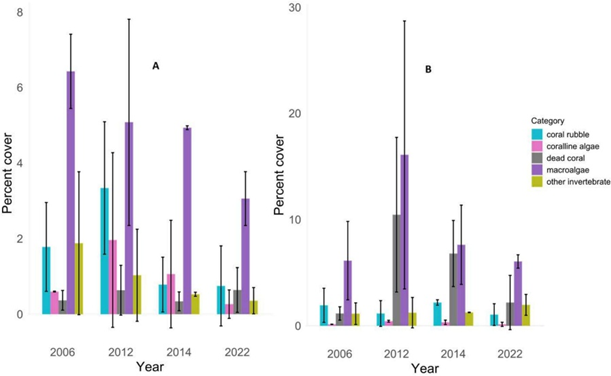
Changes in benthic cover of the small categories observed during diving surveys in 2006, 2012, 2014, and 2022 Inside (A) and Outside (B), Nassongole at al.,(2025), (https://surl.lt/zkwmix).
Turtles
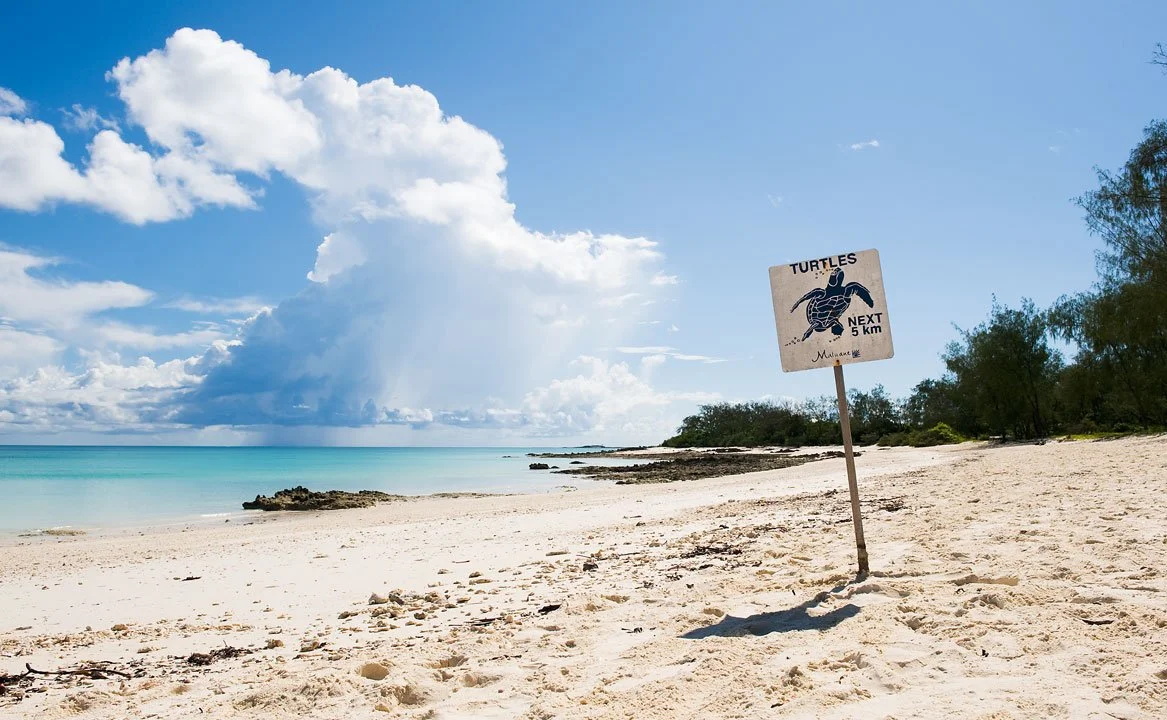
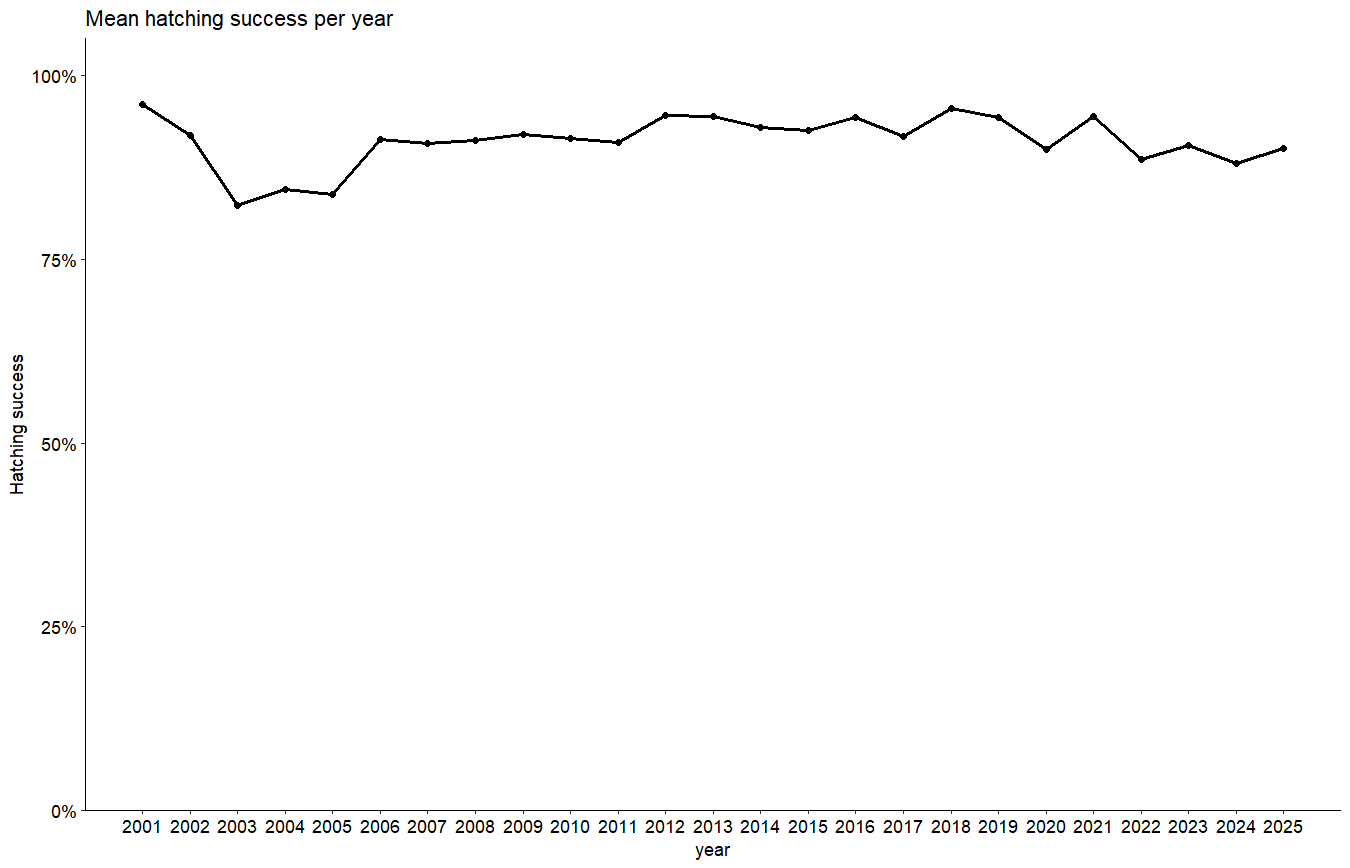
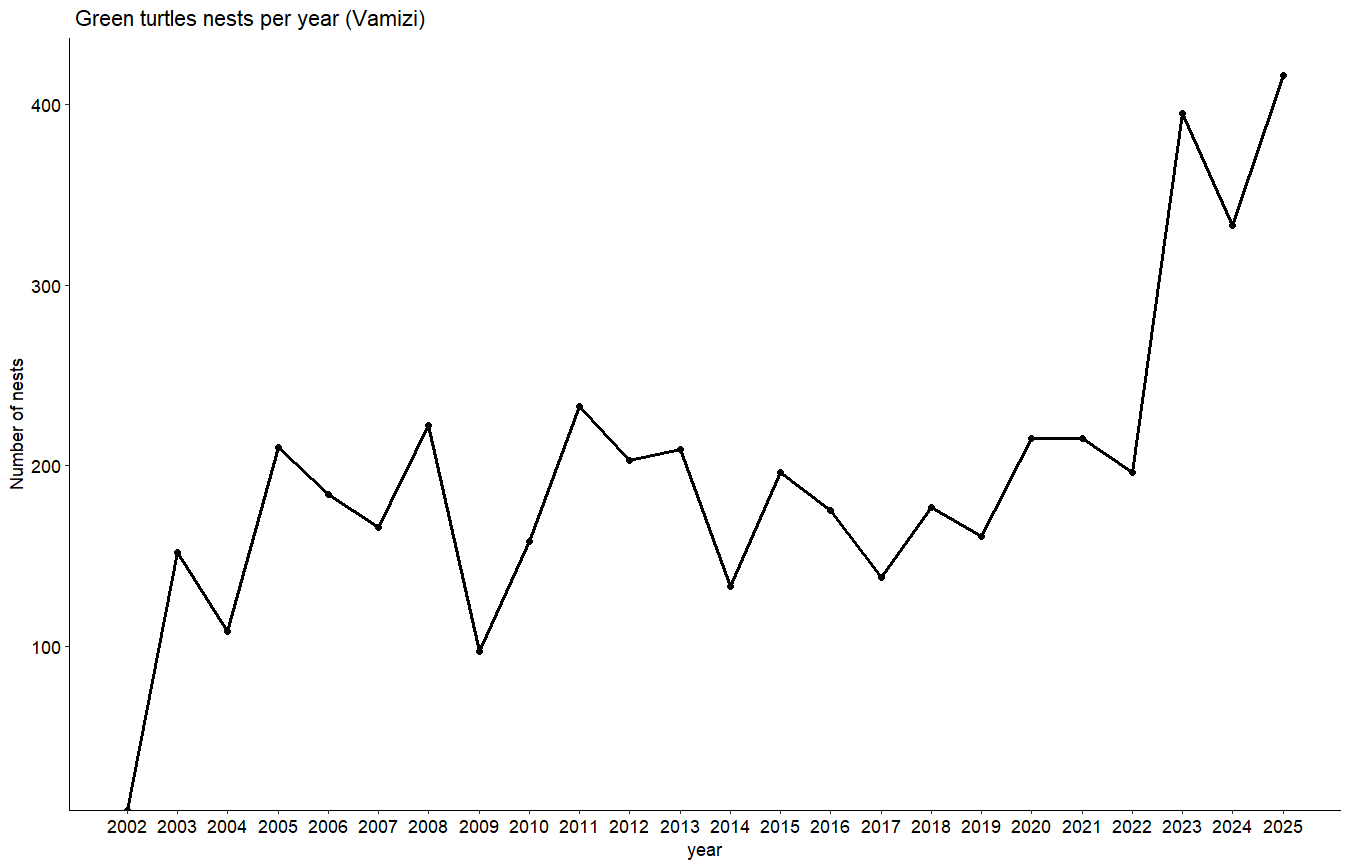
Northern Quirimbas is the most important nesting site for green turtles in Mozambique. With 250-350 nests recorded annually and a mean hatching success rate over 80%, this region plays a vital role in the survival of this endangered species.
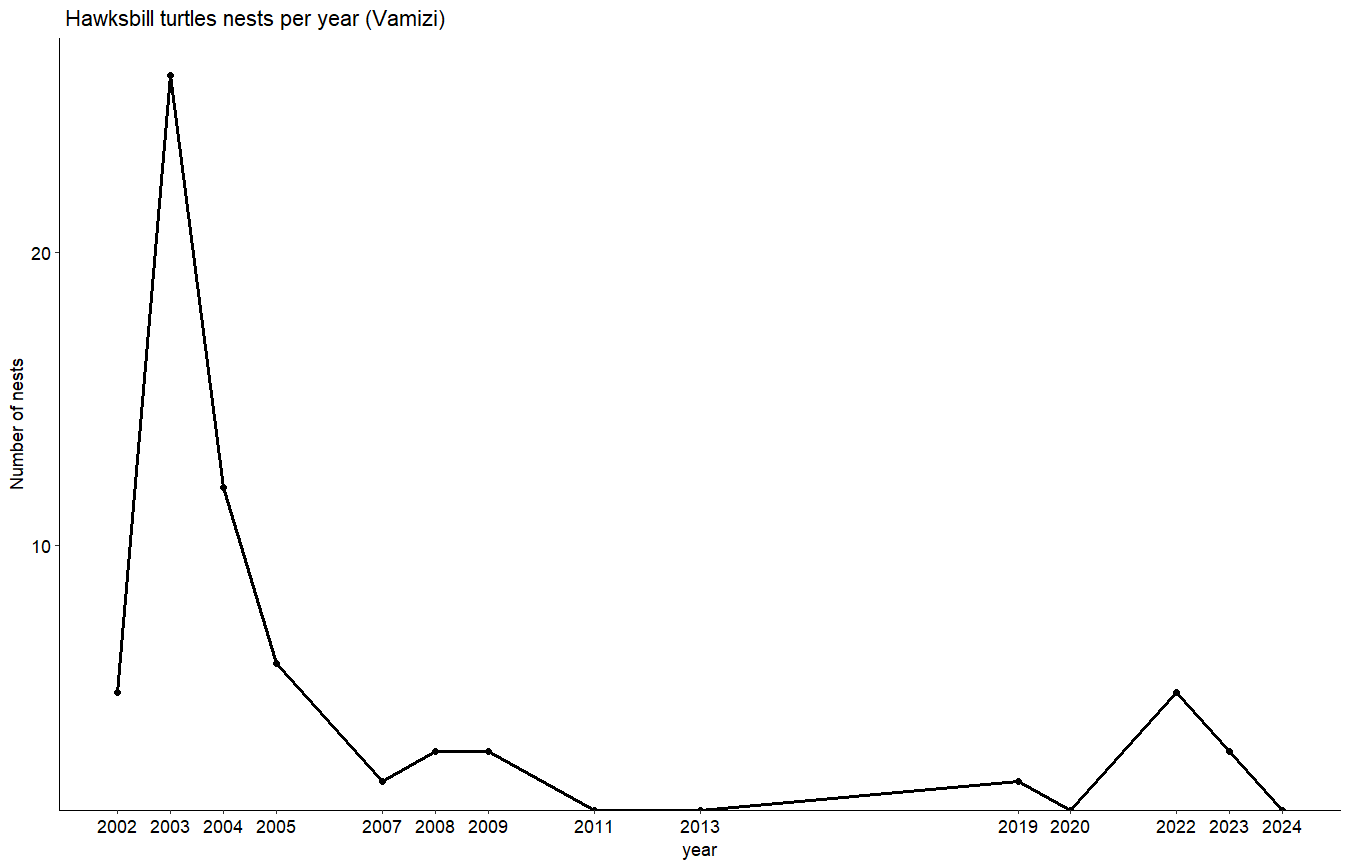
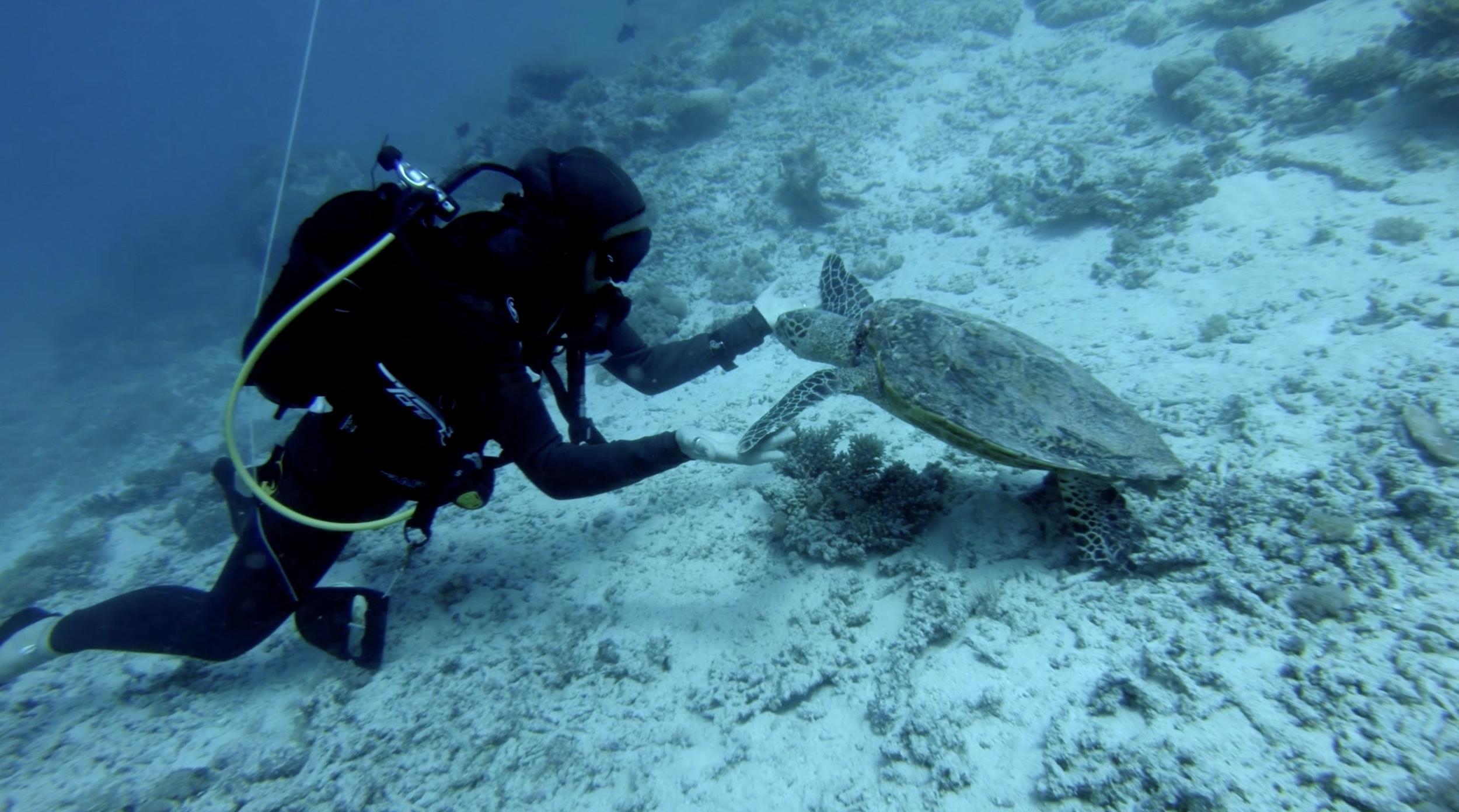
Occasional critically endangered hawksbill turtle nesting has also been recorded, adding to the conservation significance.
Two decades of turtle monitoring have helped us understand nesting trends, threats, and the broader importance of turtle conservation in maintaining healthy marine ecosystems.
Cetaceans
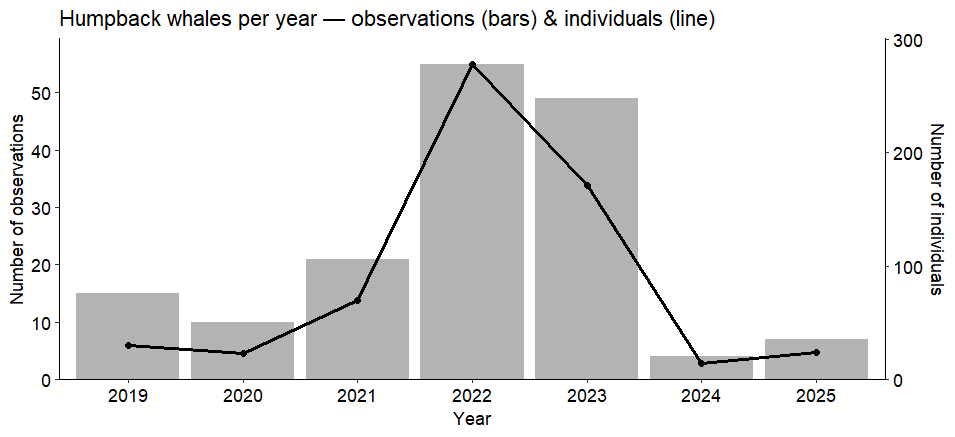
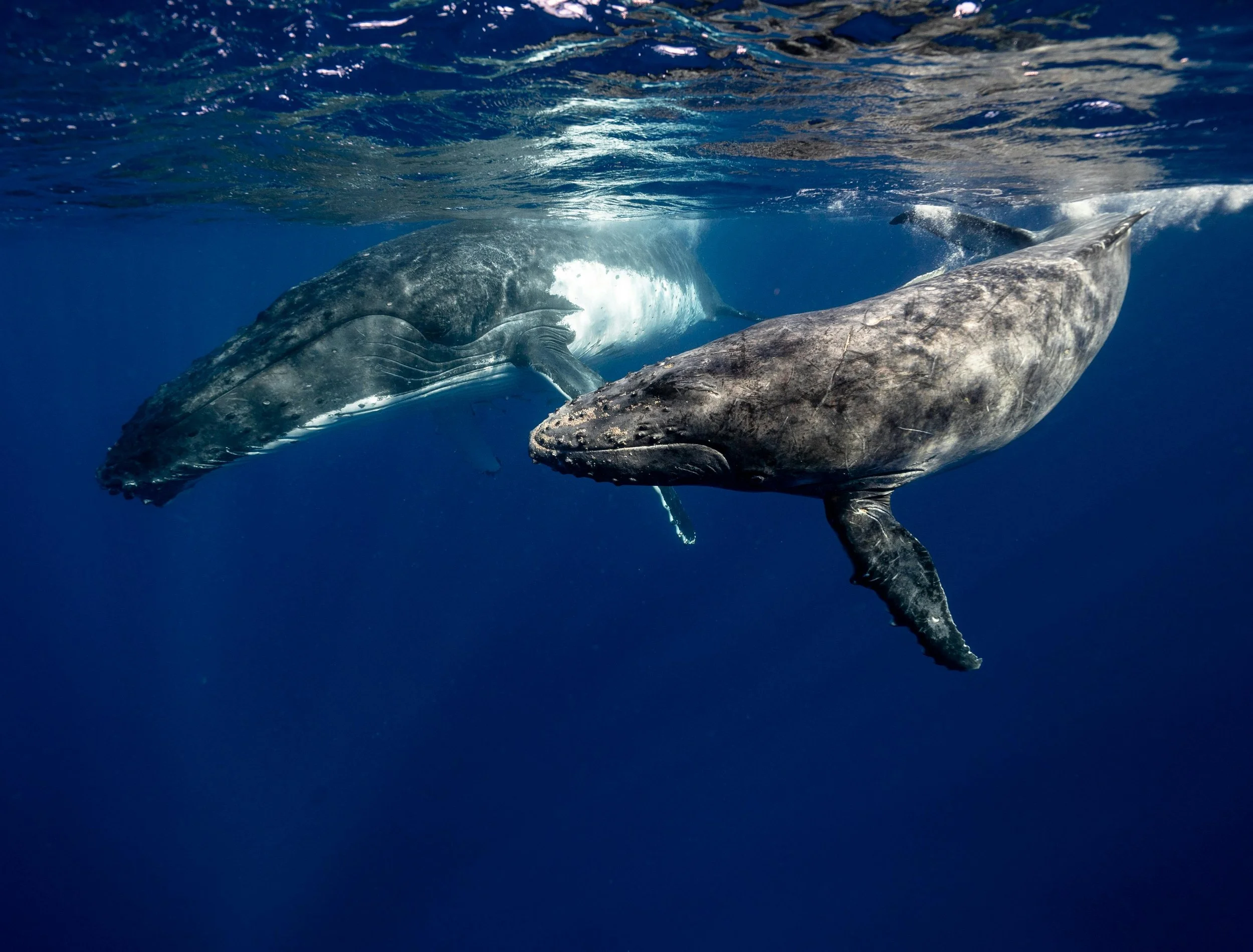
Each year from August to October, humpback whales arrive in the northern Quirimbas to give birth and nurse their calves.
Endangered humpback dolphins also reside in the area year-round, alongside super pods of spinner dolphins.
Our marine mammal research includes population monitoring, acoustic tracking, and documenting behaviors that can guide protective measures. These species are key indicators of ocean health and draw global interest in marine conservation.
Whales and dolphins
Sharks & Rays
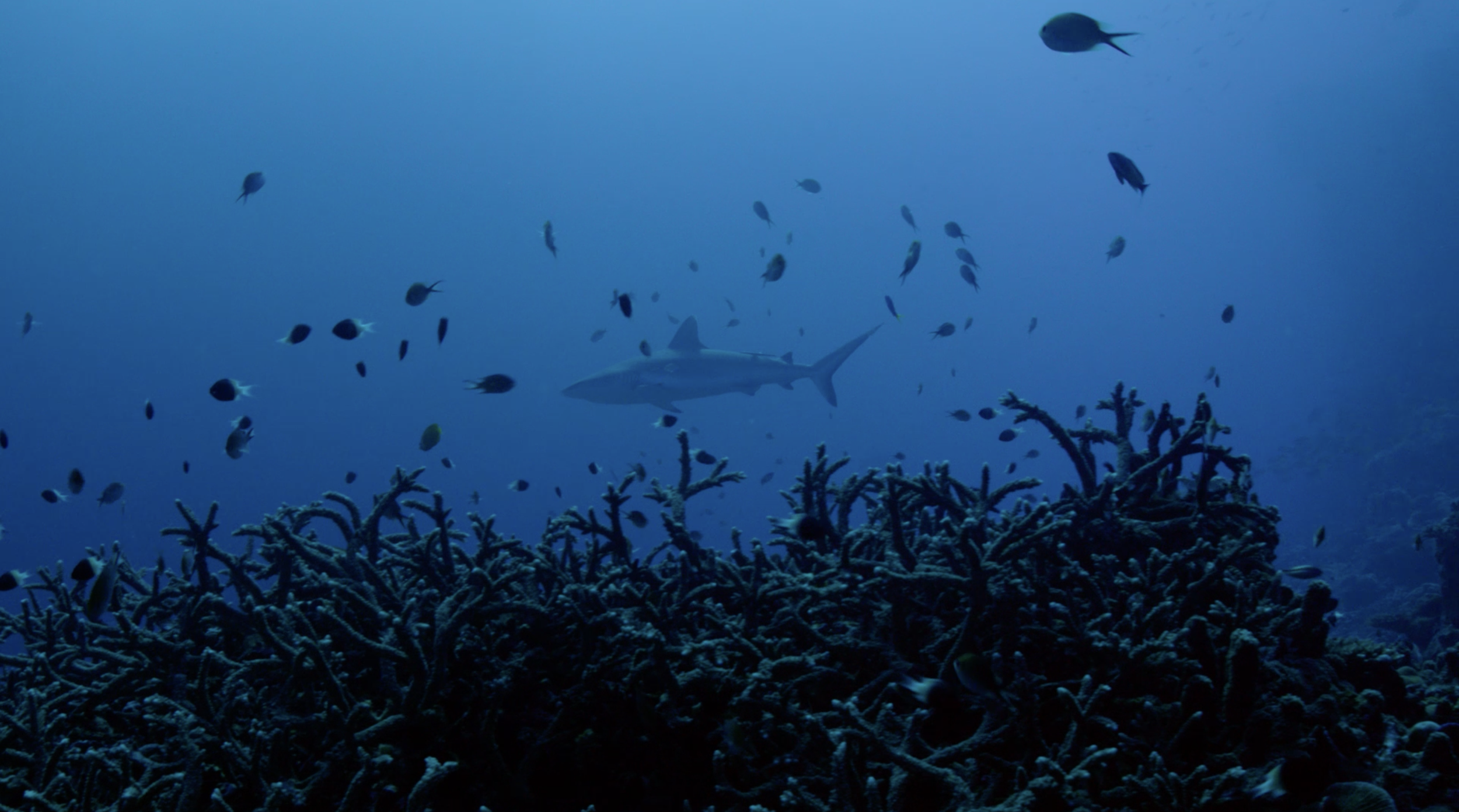
The Vamizi area is a globally recognized Important Shark and Ray Area (ISRA). It includes critical habitats for endangered species such as blacktip and grey reef sharks.
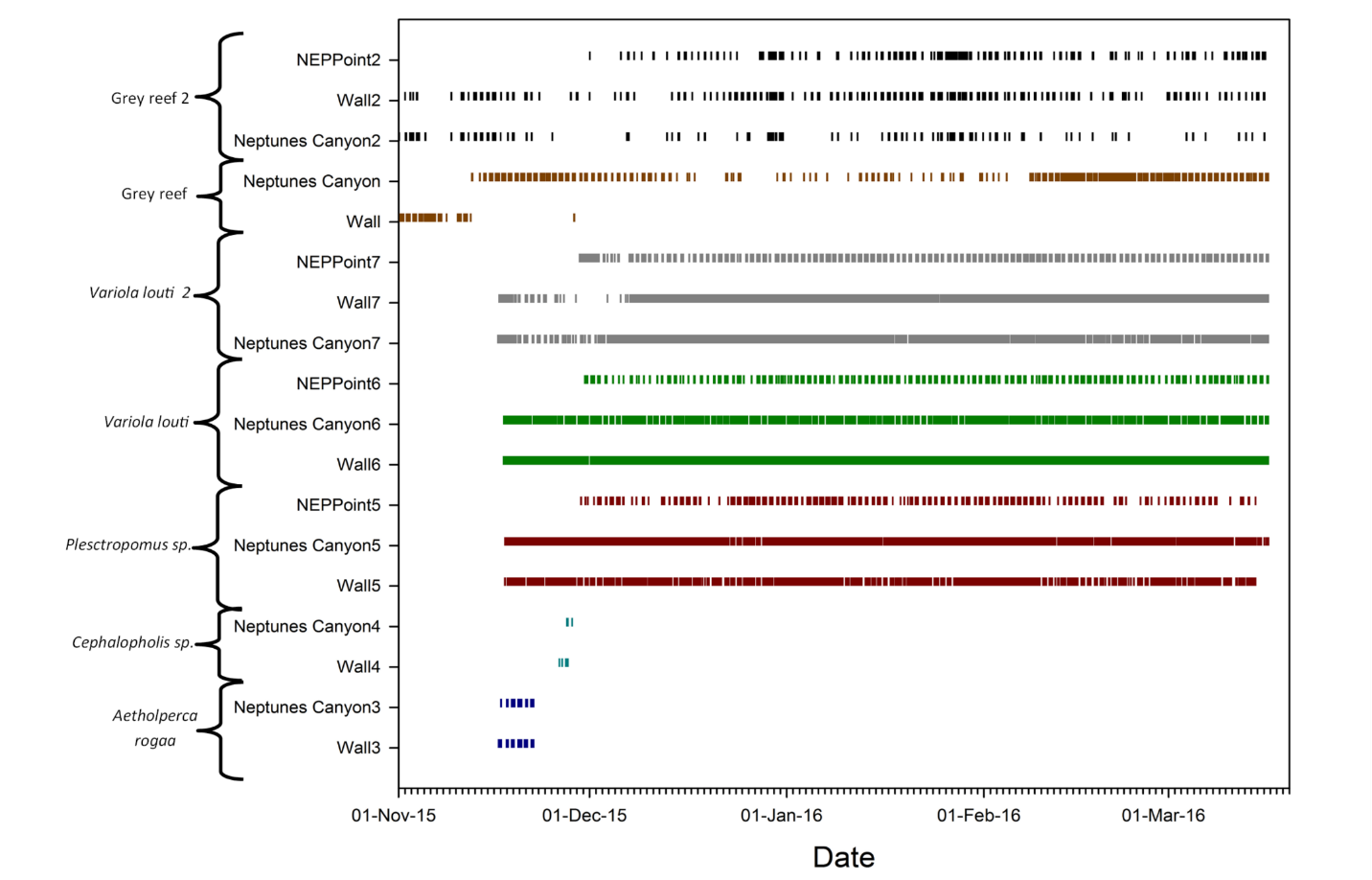
Research efforts focus on identifying breeding and aggregation zones, tagging individuals, and tracking movement patterns to better understand how these apex predators use the region.
Protecting shark and ray populations is essential to maintaining balance in marine food webs.
Shark monitoring:
Fish biomass
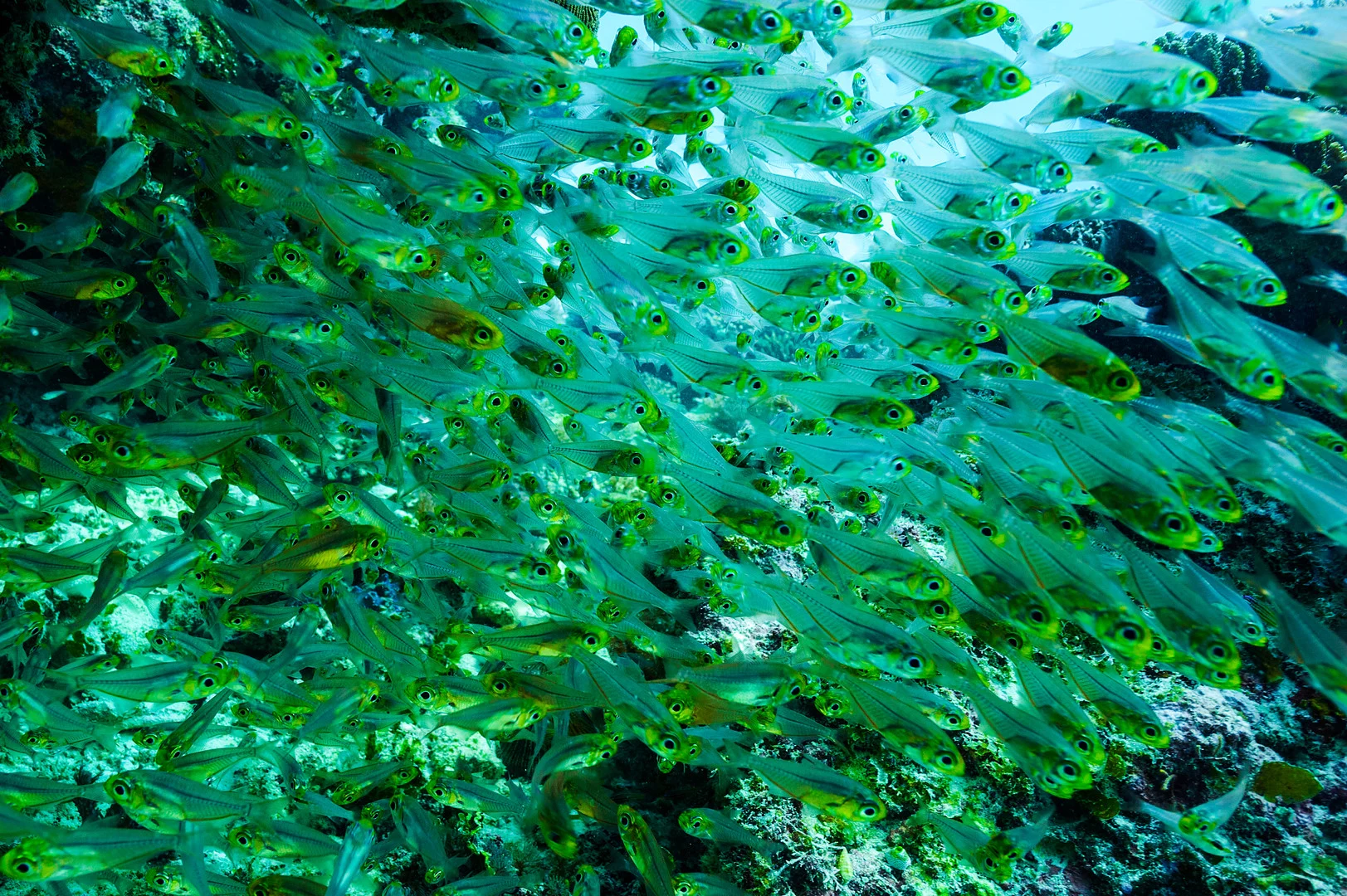
This area boasts the highest total fish biomass in Mozambique, nearly three times when compared to other parts of the Quirimbas.
It hosts large aggregations of key species like giant trevally, bumphead parrotfish, and Napoleon wrasse.
Monitoring fish populations and their behavior helps evaluate the success of no-fishing zones and informs sustainable fisheries management for local communities.
Sea grass
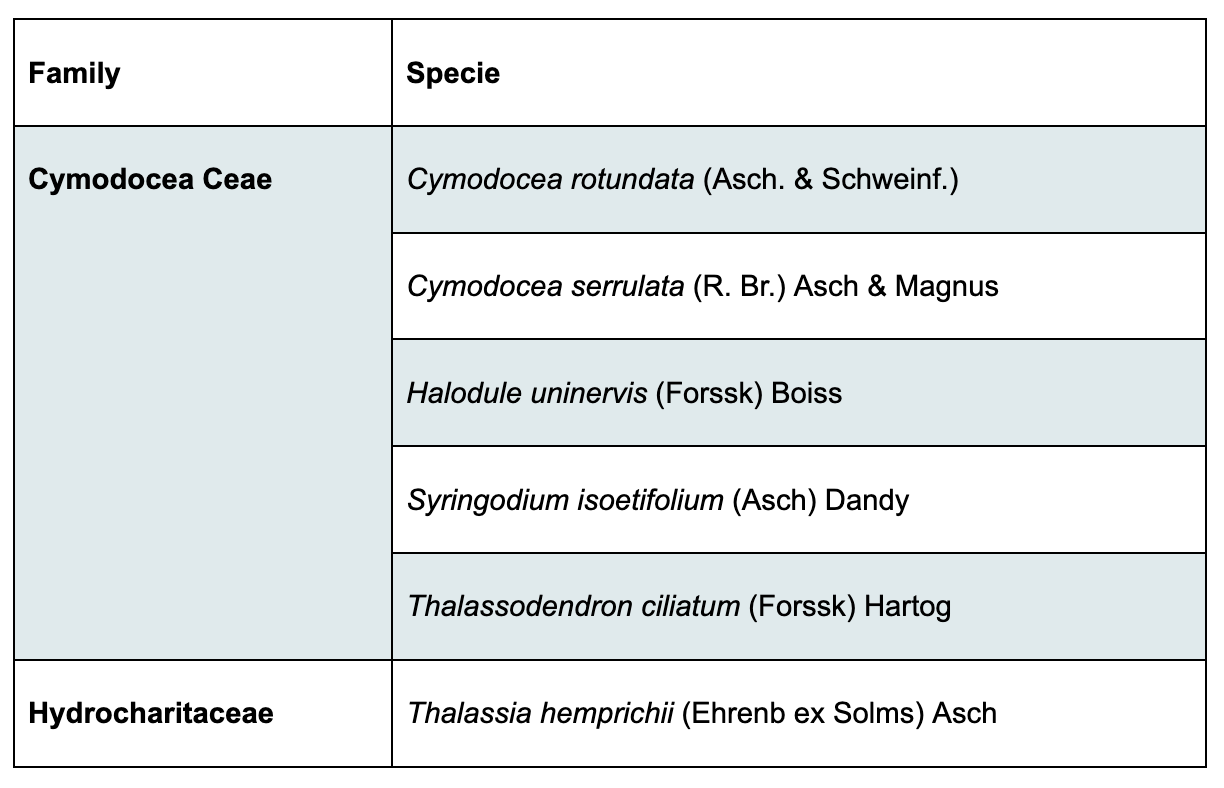
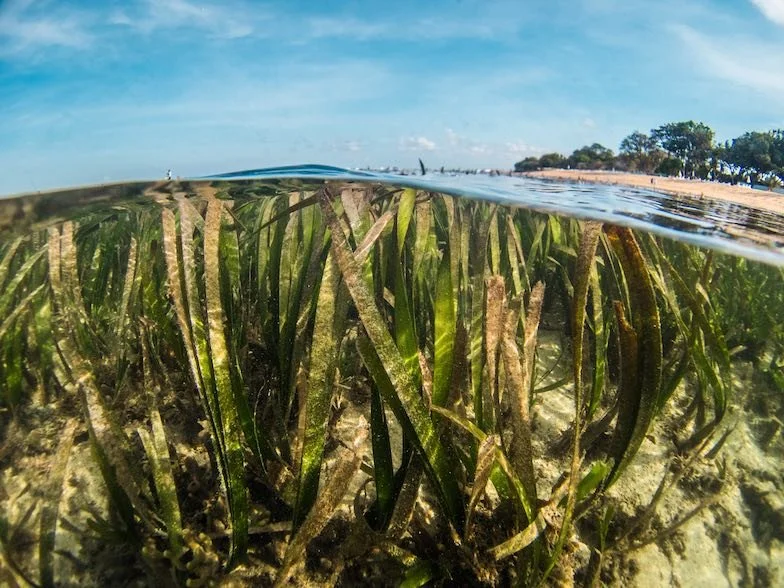
Seagrass meadows around Vamizi are ecological keystones, nurseries for reef fish, octopus, and invertebrates that underpin local fisheries and food security. By continuing systematic surveys to track species composition, occurrence, diversity, percentage cover, health, and biomass, we aim to generate early-warning data for habitat stress and protection.
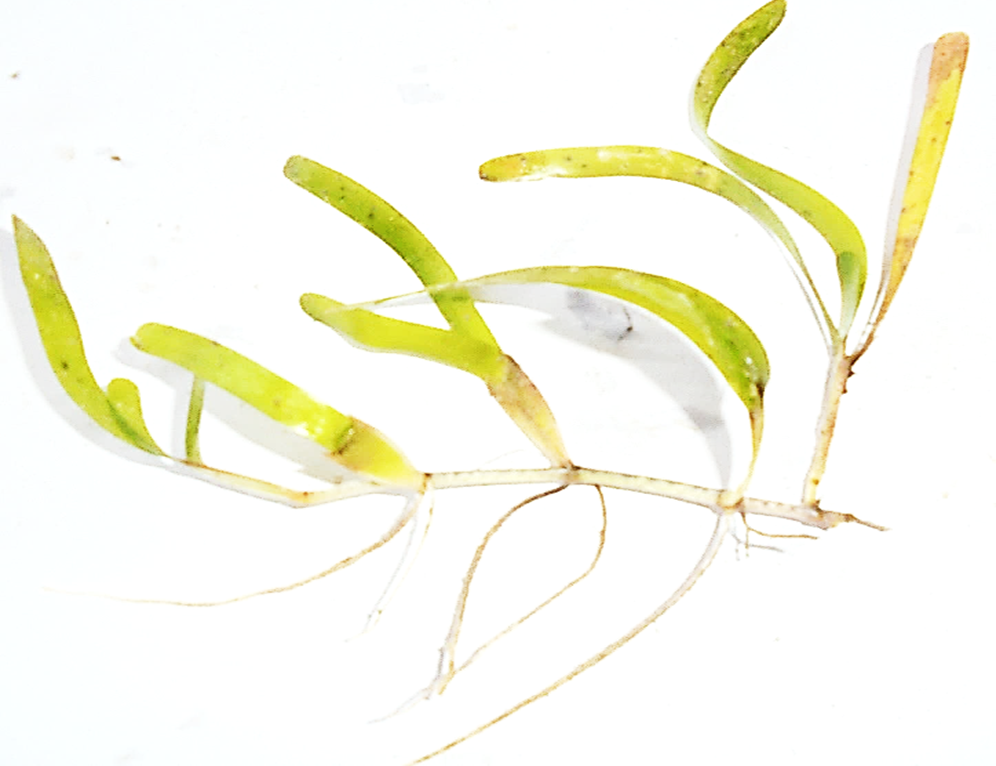
Cymodocea serrulata
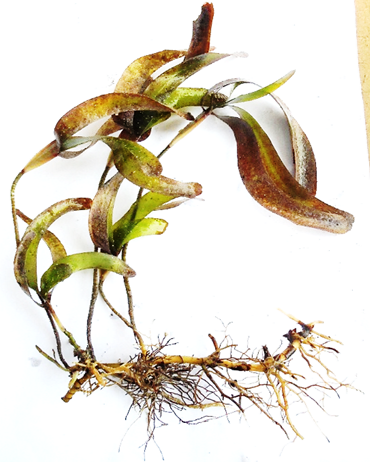
Thalassodendron ciliatum
Mangroves
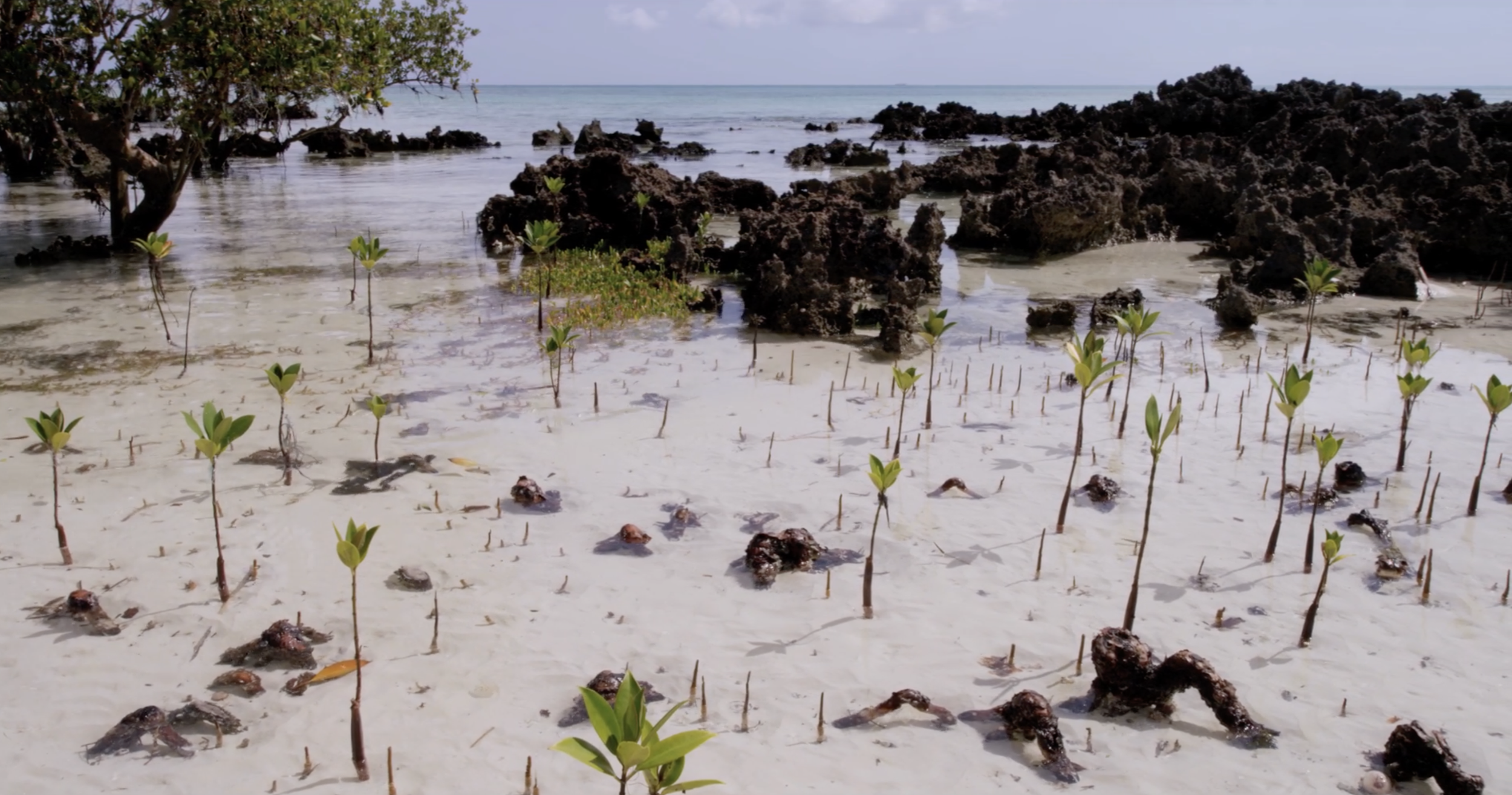
Mangroves are coastal guardians. Their dense root systems stabilize shorelines, reduce erosion, and provide a critical buffer against storms.
They also serve as breeding and feeding grounds for fish and crustaceans and act as nurseries for many reef-associated species.
Research in the Quirimbas focuses on mangrove health, regeneration, and their role in linking coastal and marine ecosystems. As natural carbon sinks, they also contribute to global climate regulation. Our monitors conduct mangrove planting as part of our conservation activities. They also promote mangrove plantation with community members.
Birds
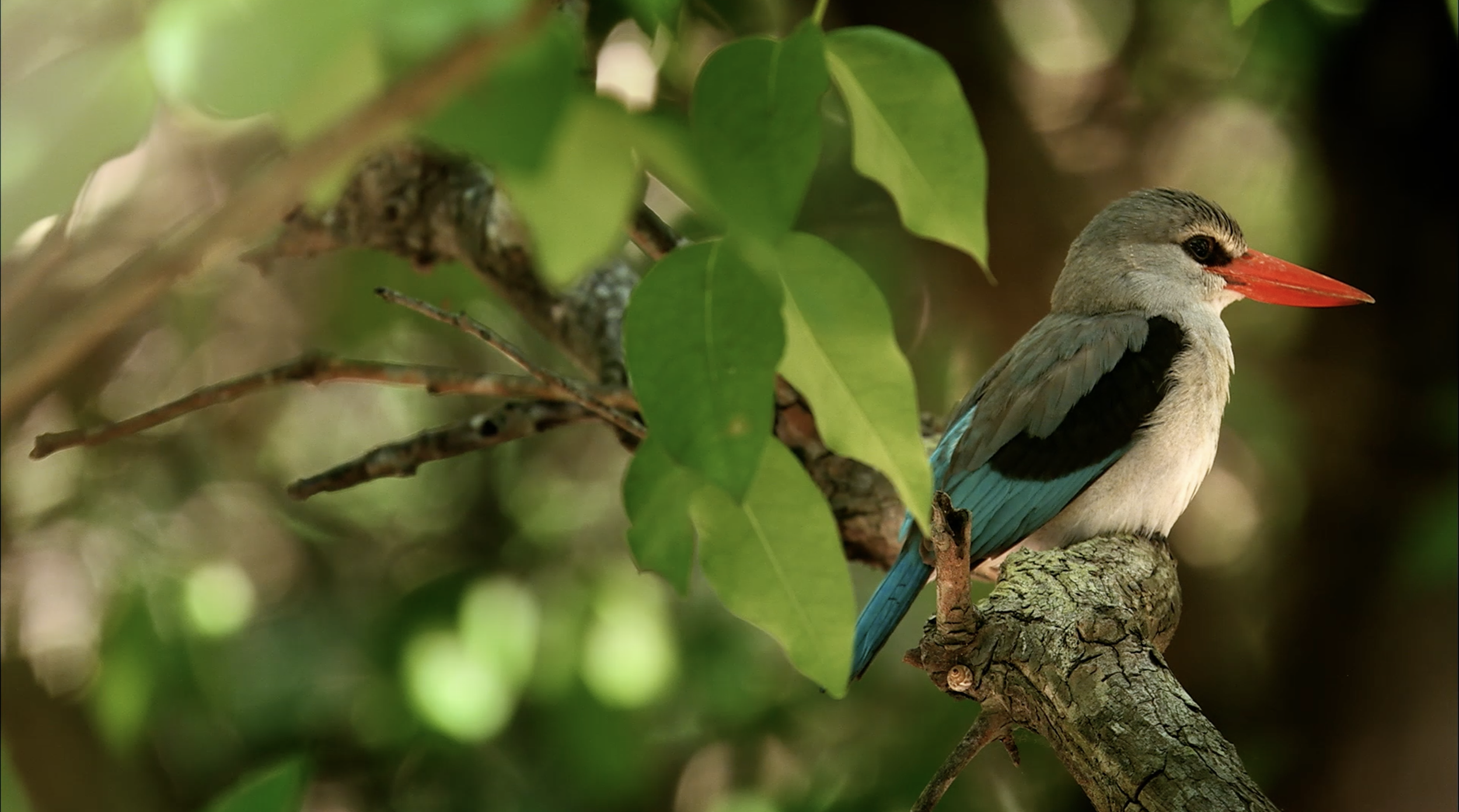
Seabirds are a valuable part of the coastal ecosystem, relying on healthy fish stocks and undisturbed nesting areas.
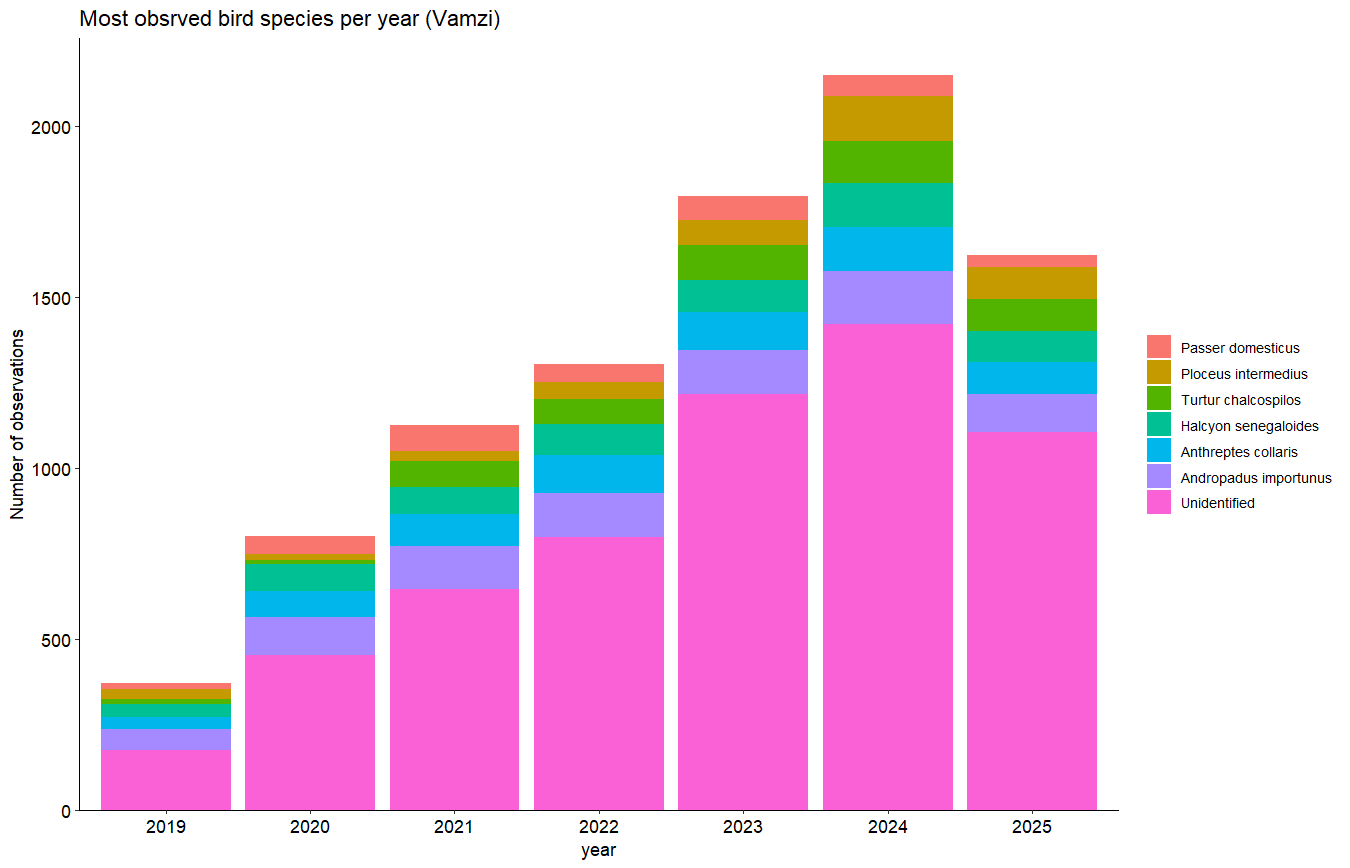
Our research monitors conduct weekly bird observation by identifying bird species around the Island. With these data, we have generated an Island bird catalogue and information on seasonal movements, migratory species and identify important areas in need of protection.
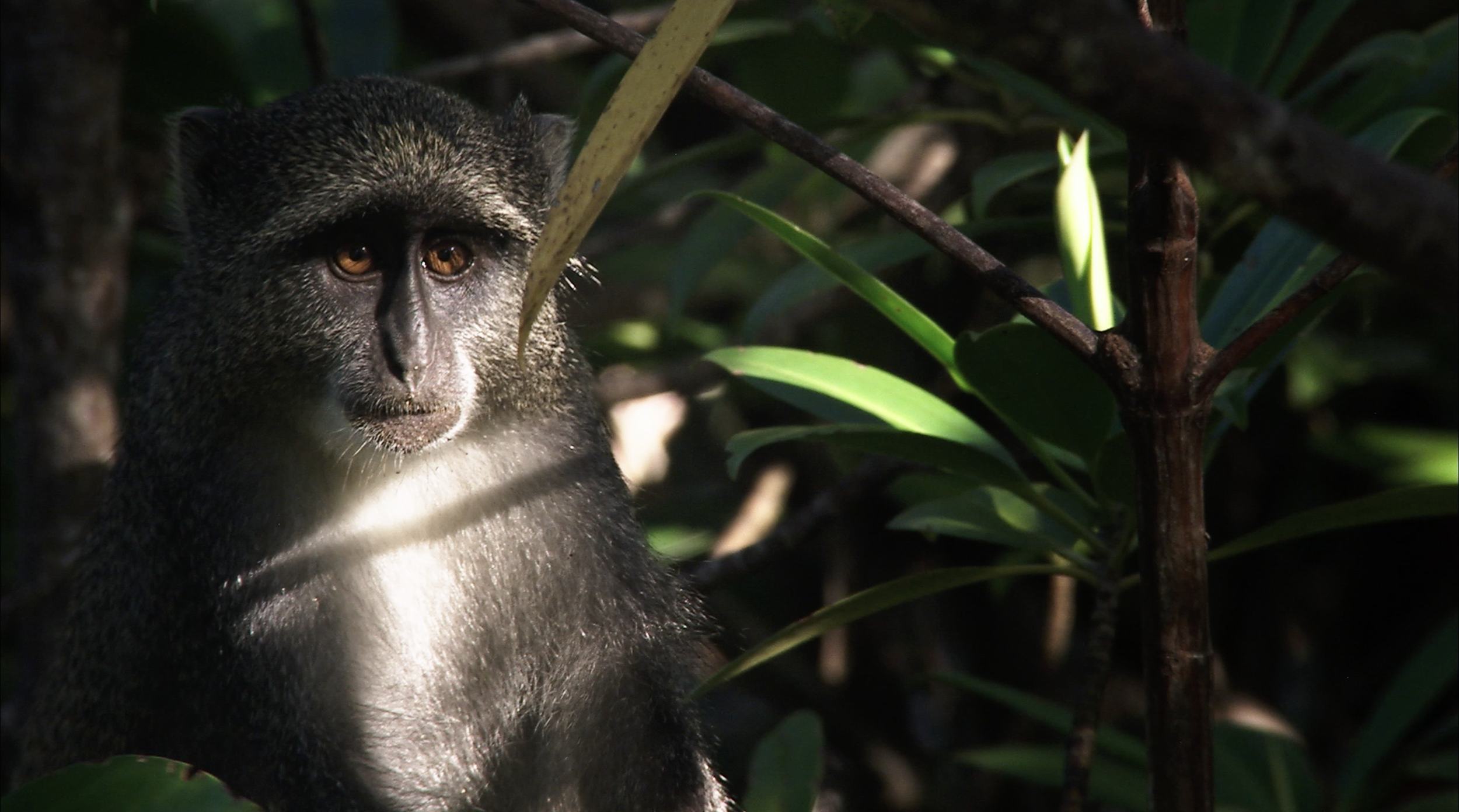
Monkeys
Though mainly marine-focused, our conservation efforts also extend to the coastal forests that border these ecosystems.
These areas support primates like vervet monkeys, whose presence reflects the health of the broader landscape.
Studying these terrestrial connections helps us understand the full picture of biodiversity in the region — and the importance of protecting land and sea together.
Empower Communities & Advance Research
Healthy oceans depend on healthy communities — and strong science. By supporting local families, schools, women’s initiatives, and conservation research, you help communities thrive while giving scientists the tools they need to protect marine life.