
Marine protection
A Marine Reserve Built for Long-Term Conservation
What makes the Northern Quirimbas exceptional?
The Protected Waters of the Quirimbas:
Highest total fish biomass in region - 1000kg/ha vs 360/ha in Southern Quirimbas
(McClanahan and Muthiga 2017)Over 400 reef species of fish (Davison 2006)
Key Biodiversity Area awarded by WCS for Giant Trevally (Caranx Ignobilis) aggregations of over 1000 - second highest on record (da Silva 2014). Only observed aggregation in WIO.
Vulnerable Bumphead Parrotfish (Bolbometopon muricatum) shoals
Giant Grouper (Epinephelus lanceolatus) aggregations
Endangered Napolean Wrasse (Cheilinus undulatus) population
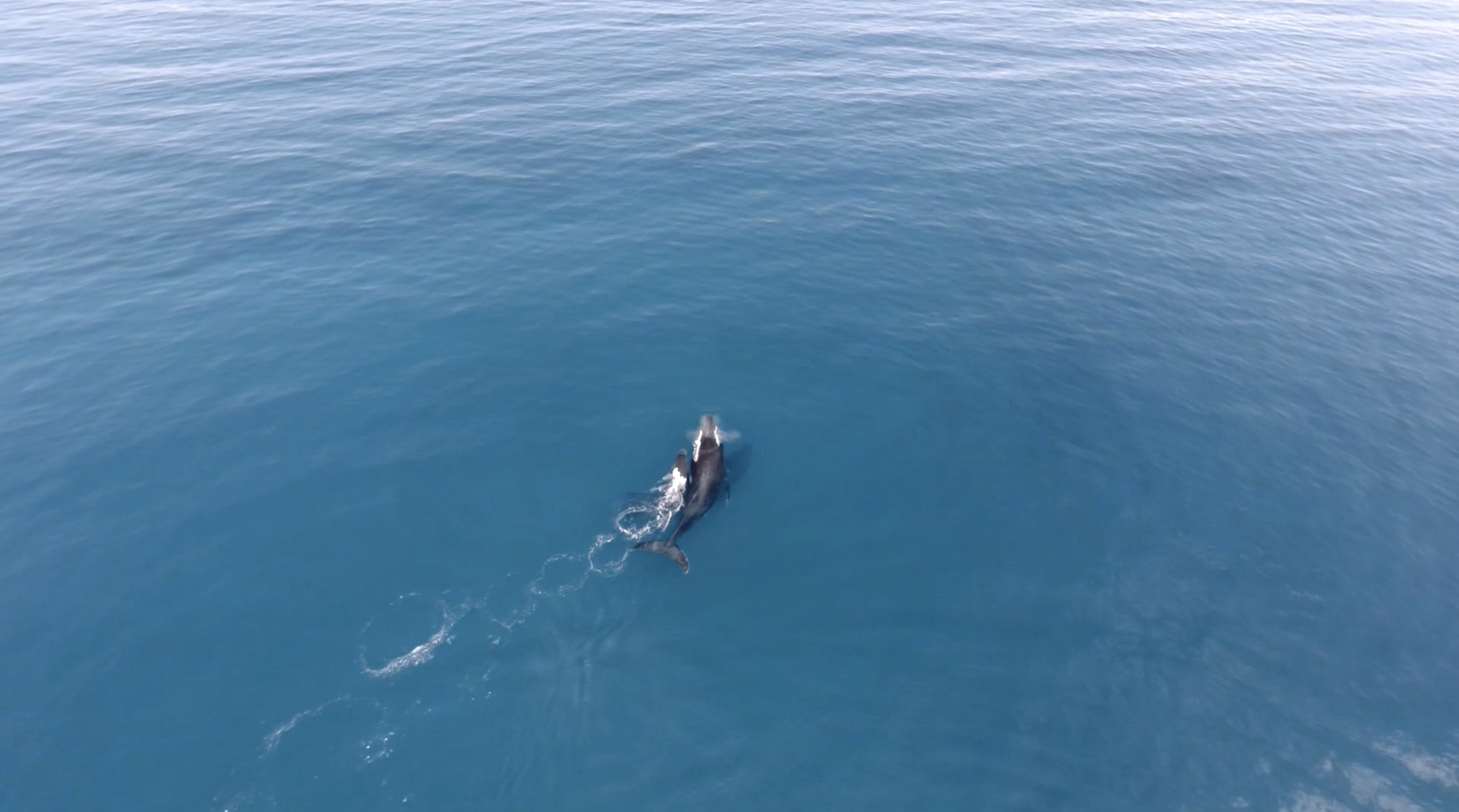
Humpback whale (Megaptera novaeangliae) calf nursery from August to October.
Resident endangered Humpback Dolphins (Sousa plumbea).
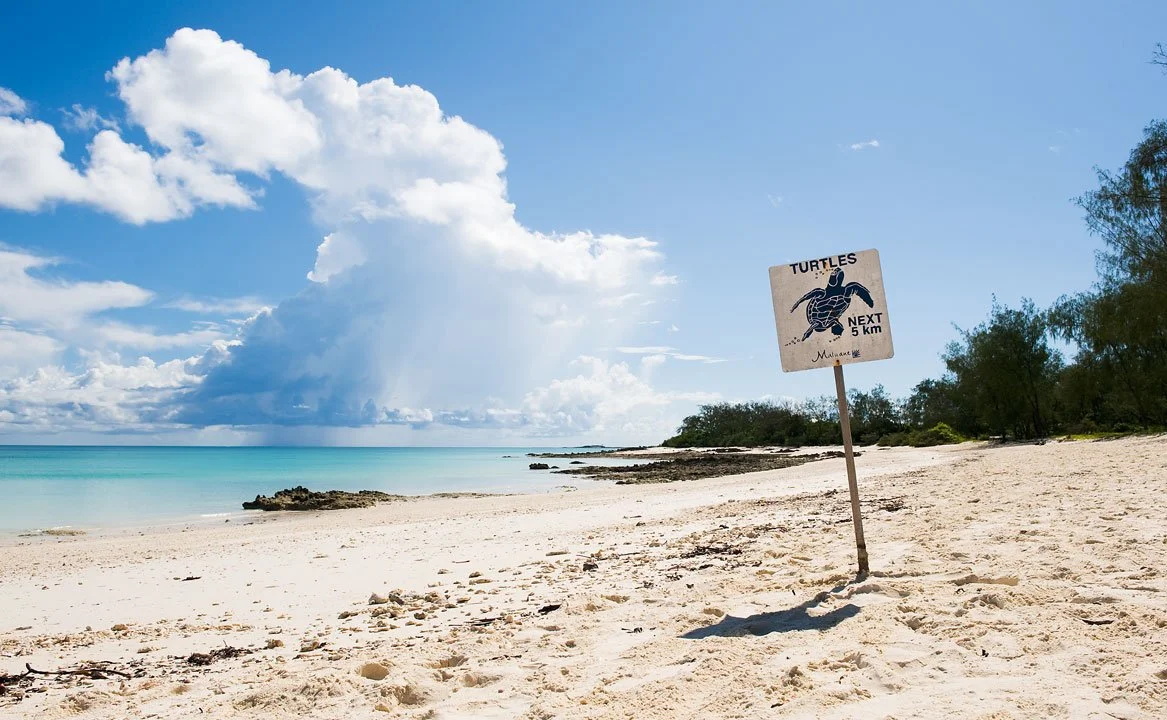
Important sea-turtle foraging and nesting areas (green and hawksbill).
The Protected Waters of the Quirimbas: A Marine Reserve Built for Long-Term Conservation
Years of dedicated marine conservation are paying off:
Our long-term efforts to protect biodiversity in the Quirimbas Islands are now taking shape in one of Mozambique’s most ambitious marine conservation projects to date.
A Marine Protected Area (MPA) has been officially proposed by ANAC and InOM (Oceanographic Institute of Mozambique) with support from Quirimbas Foundation and Mission Blue — spanning over 4,000 km² of critical habitat for marine life.
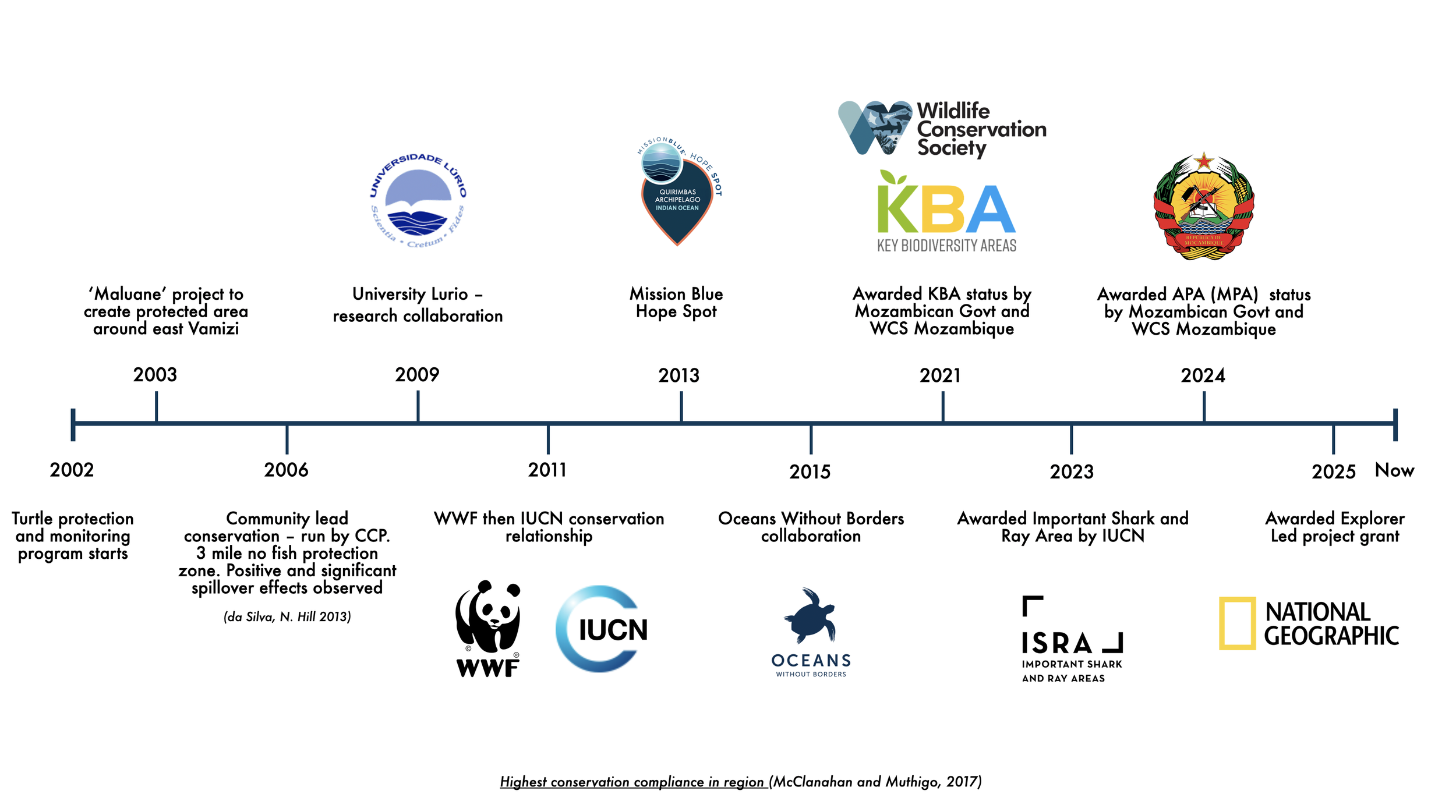
Building on two decades of protection
This new MPA builds on over 20 years of conservation work — from community-led no-fishing zones to ecosystem monitoring and habitat restoration. Scientific results have shown strong spillover effects and ecosystem recovery in protected zones, making the region one of the best examples of marine conservation in East Africa.
Designing a Collaborative Marine Protected Area
At 4,162 km², the total proposed area includes the Vamizi Key Biodiversity Area (KBA), designated as an exclusive tourism zone of 86.5 km², where only catch-and-release recreational fishing is permitted. This zone is designed to generate sustainable revenue for local communities while minimizing ecological impact.
This zoning approach will be implemented in phases. While initial areas are being designated as multi-use in line with national marine regulations, further protection measures will be introduced over time based on monitoring results and stakeholder input.
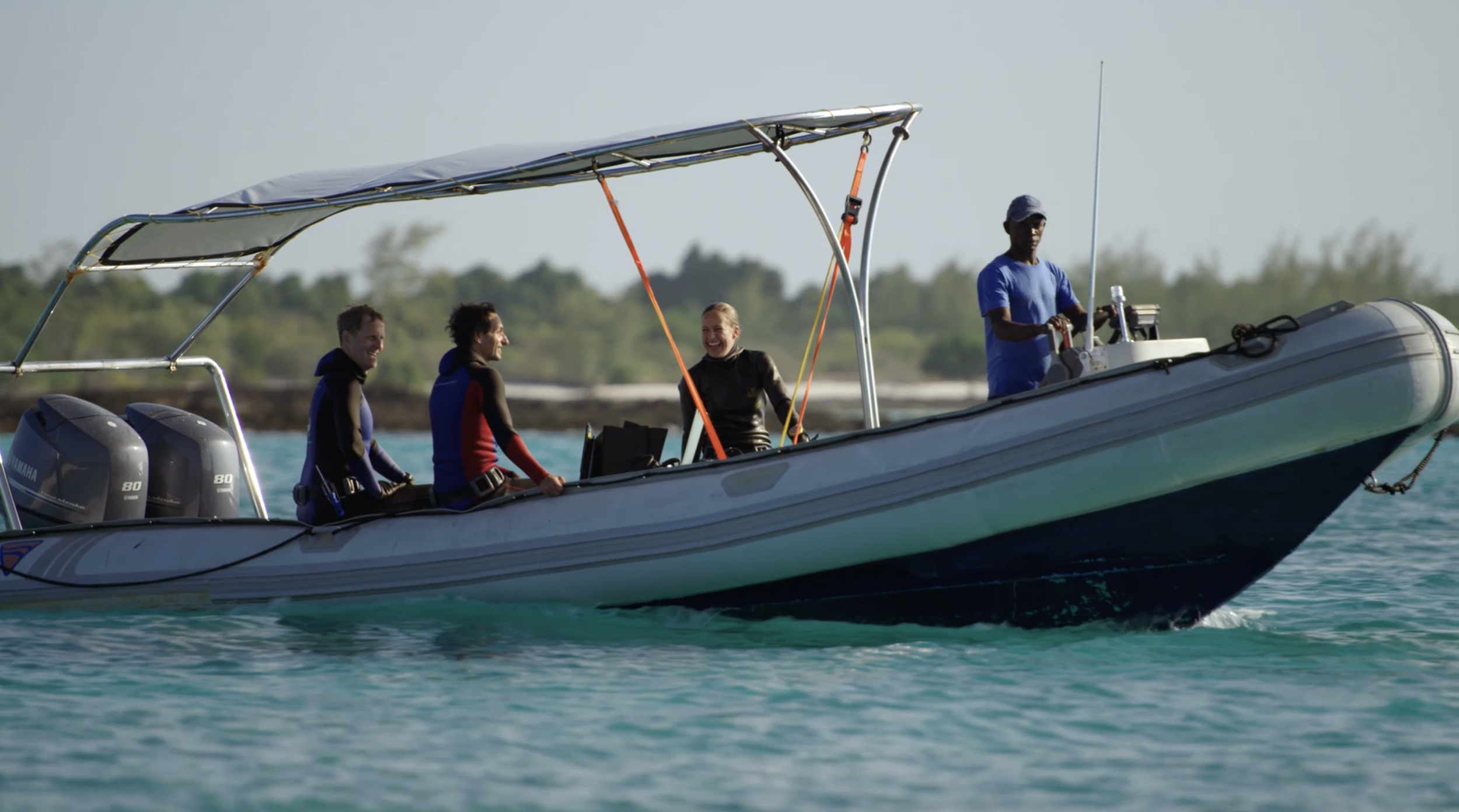
Since March 2024, the Quirimbas Foundation has worked alongside the Oceanographic Institute of Mozambique (InOM), local leaders, and regional and national government representatives to build this protected area. These consultations ensure the MPA reflects both local priorities and the best available science — laying the groundwork for lasting marine protection.
The Quirimbas Foundation is working with neighbouring villages to Vamizi to replicate the no-take and limited-take areas protection model.
Protected Shark and Ray Area
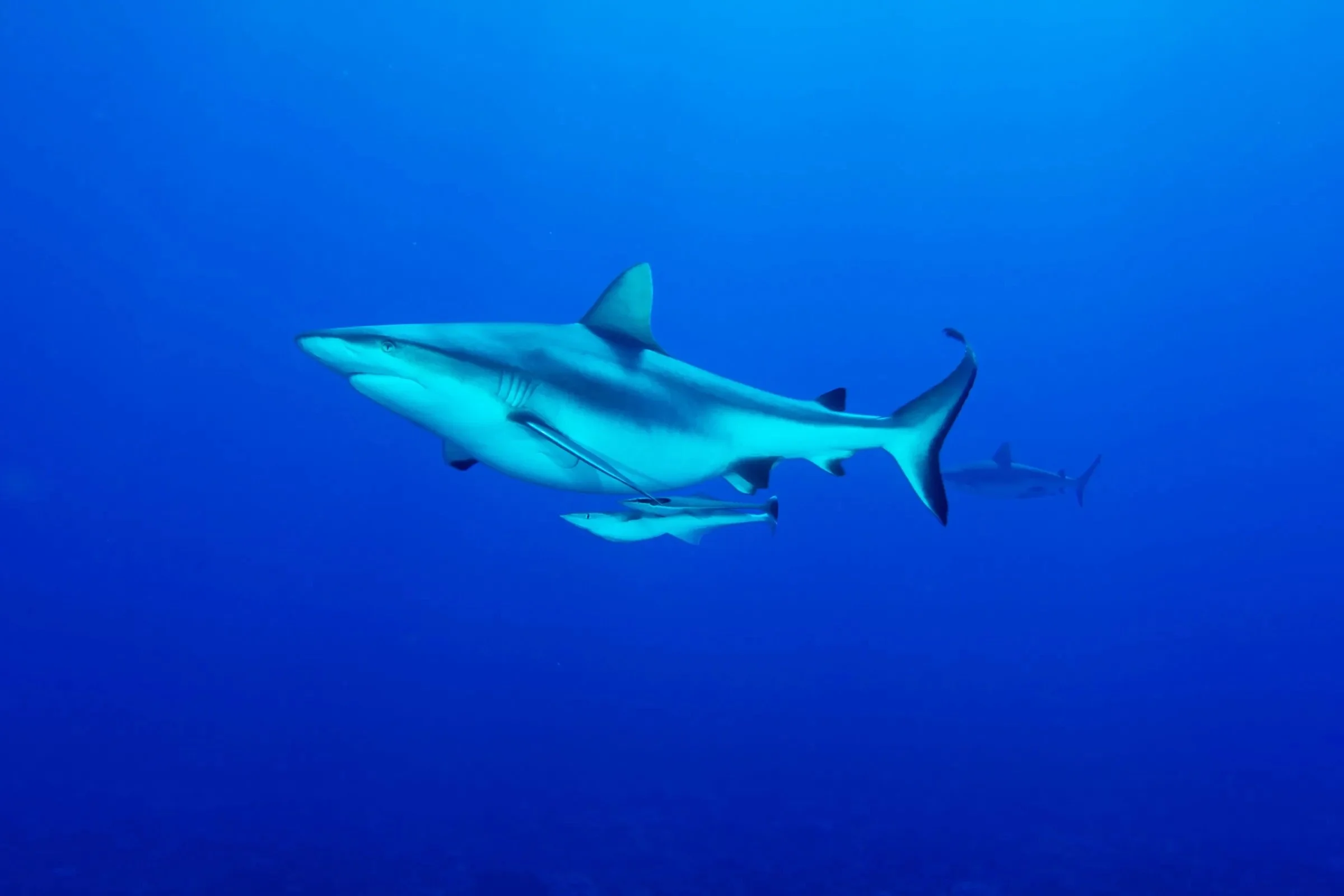
A designated Shark and Ray Area, covering 187 km², has been identified as an Important Shark and Ray Area (ISRA), where restrictions on fishing gear will help protect vulnerable species. In addition, a process of community-led zoning is underway, with local fishing communities currently being consulted to define areas that meet both conservation goals and their livelihood needs.
Protecting biodiversity through a Marine Protected Area in the Quirimbas.
Backed by over two decades of research and community-led conservation, we are now working to formally establish a Marine Protected Area in the northern Quirimbas. This zone will limit extractive activities like fishing, protect vital marine habitats, and support long-term biodiversity through a science-based, community-supported framework.
Once approved, the Marine Protected Area will be co-managed through a public-private partnership. A full business and management plan is under development to:
Fund long-term enforcement and habitat protection
Support research, monitoring and compliance
Build sustainable tourism revenue streams
Create new livelihood opportunities for local people
Ensure community participation in marine governance
This MPA will help Mozambique meet its national biodiversity goals while protecting one of the most ecologically valuable seascapes in the Western Indian Ocean.
What the future holds

Protect the Reef
Coral reefs are home to thousands of species and protect our coasts — but they are disappearing at an alarming rate. Your donation supports patrols and conservation efforts that keep reefs alive and thriving.