
Protecting one of the world’s most pristine and diverse marine ecosystems
The North Quirimbas Archipelago in Mozambique
The Quirimbas Foundation
Collaborative conservation.
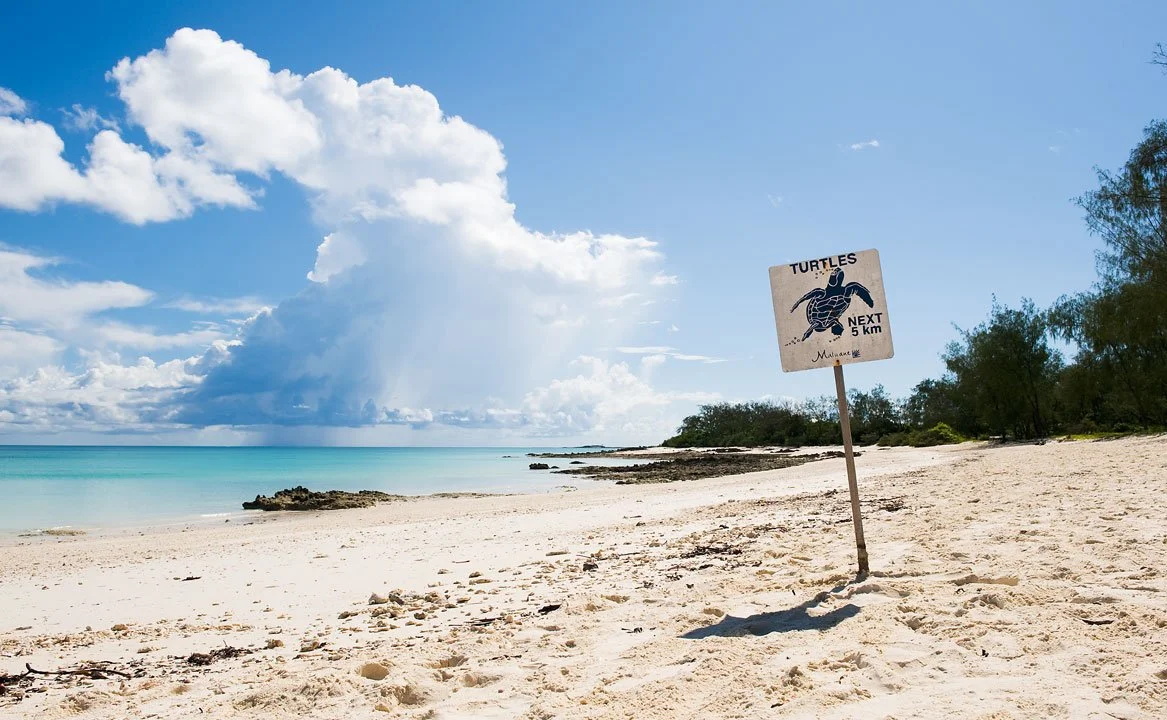
In 2003 we started Mozambique’s first and most successful Locally Managed Marine Area (LMMA) with the local Vamizi community and established a no-take zone “sanctuary”. For over 20 years we have successfully brought together conservation, the community, scientific research and global collaboration to protect an extraordinary marine ecosystem whilst benefitting the local community. We have also protected the largest Green turtle nesting site in Mozambique since 2002. Lastly, we are an important marine biology research base in Mozambique with over 170 research publications written on our area.
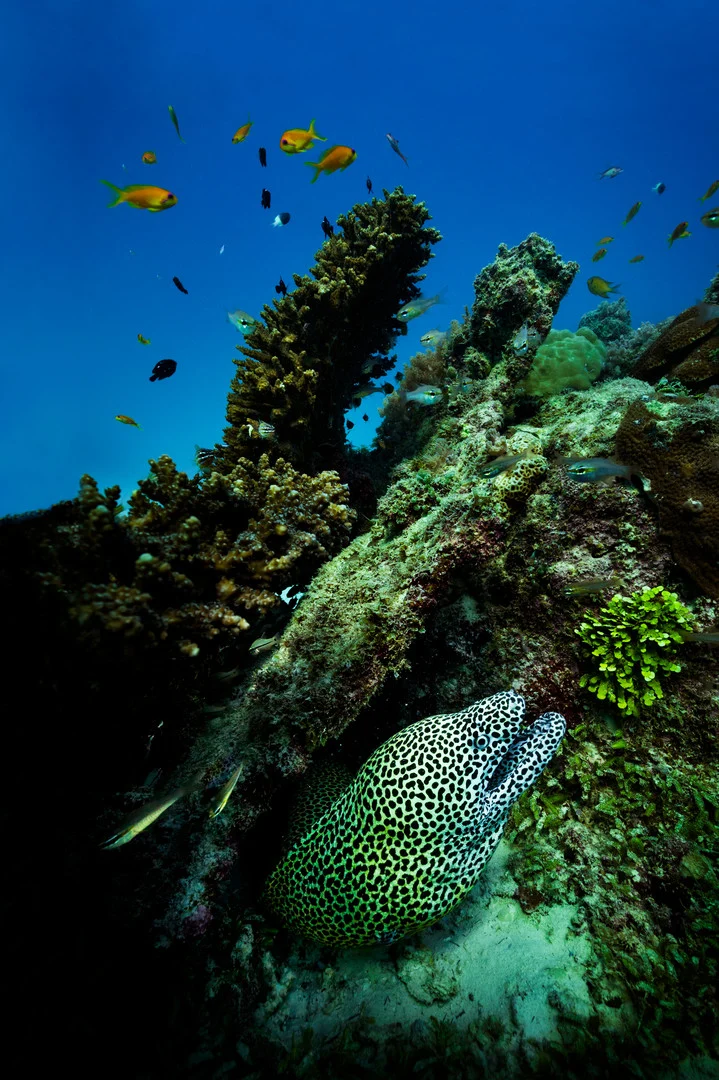
Protecting Mozambique’s Quirimbas Islands to preserve marine biodiversity and build sustainable partnerships with local communities.
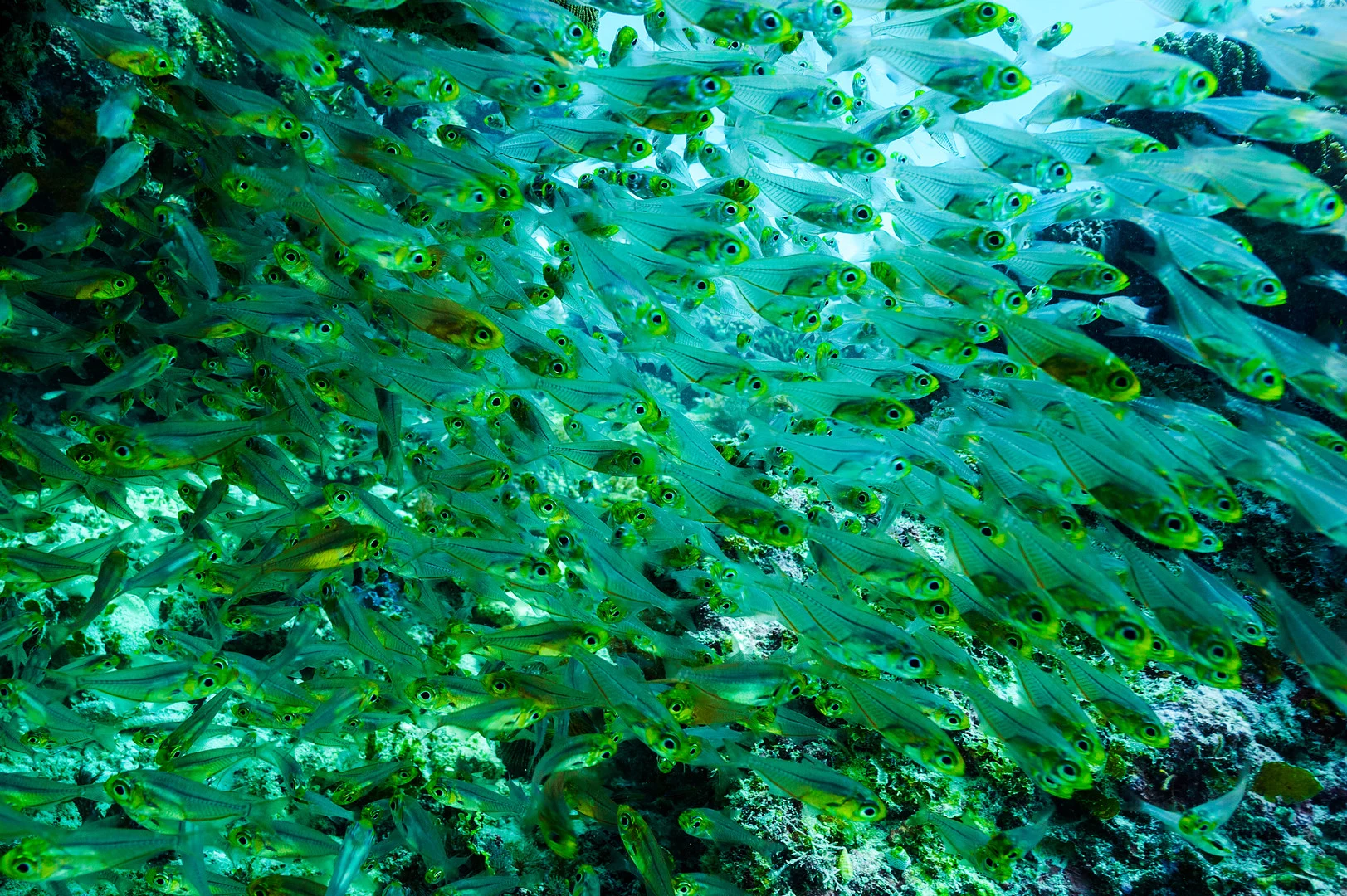
What we have achieved so far:
Over the years, our mission has turned into measurable action — and real results. From no-fishing zones to coral restoration and community education, these are just a few ways we’ve been working to protect the Quirimbas Islands.
22
Years a successful
no-take zone
Years of protecting the largest Green turtle nesting site in Mozambique
23
175
Research publications
Our Projects
Our work doesn’t stop here. As threats to marine ecosystems grow, so does the need for action. From expanding no-fishing zones to protecting green turtle nesting sites and supporting local monitoring efforts, our current projects reflect our commitment to science-based, community-driven conservation.
These are our main projects that are happening now:
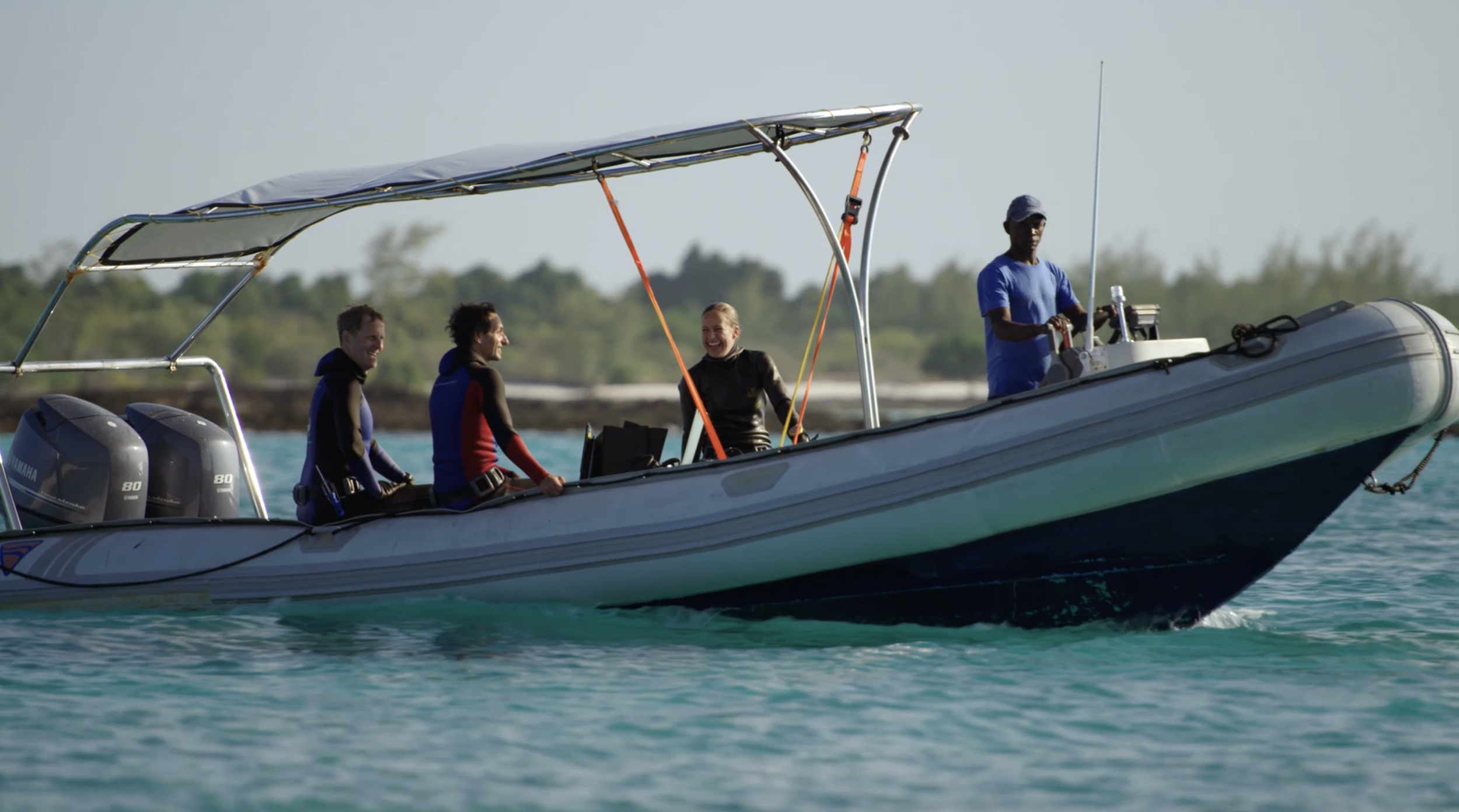
Where You Find Us: The Quirimbas Islands
The Quirimbas Archipelago lies at a strategic point, where the South Equatorial carrying diverse life from the Coral Triangle, collides with the East African coast, and diverges to travel to reefs to the north and south of this
The Quirimbas Islands are some of the most diverse and climate resilient coral reefs in the world. They sit on the edge of the continental shelf with the deep Mozambican Channel lying just offshore. These reefs are home to the highest diversity of coral and fish species in the Western Indian Ocean.
(Davison 2006, Garnier et al 2008, Hill et al 2009, McClanahan and Muthiga 2011, Obura 2012)
Our Accreditations & Partners:
-
![Mission Blue Logo]()
Mission Blue
NGO Alliance Partner
-
![]()
Lúrio University
Scientific Partner
-
![]()
Ministry of the Sea, Inland Waters and Fisheries of Mozambique
Government Partner
-
![Oceanographic Institute of Mozambique Logo]()
Oceanographic Institute of Mozambique
Government Partner
-
![]()
Hope Spot - Mission Blue
Since 2023
-
![]()
Oceans Without Borders
Collaboration Since 2015
-
![]()
WWF
Conservation relationship in 2011
-
![]()
ISRA - Important Shark And Ray Areas
Initiative from IUCN
-
![]()
Key Biodiversity Area
Wildlife Conservation Society
-
![]()
Friends of Vamizi
Support us
“The greatest threat to our planet is that someone else will save it”.
— Robert Swan